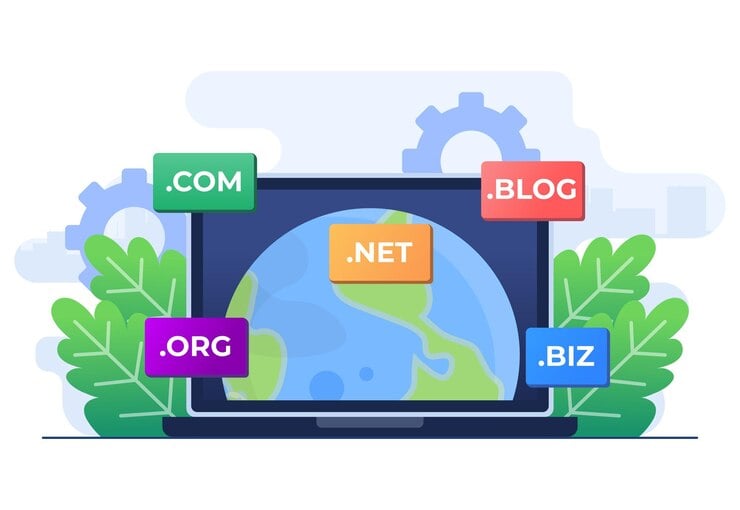
| Cross-border domain services let brands register and manage country‑specific domain names while running one cohesive hosting framework. This approach delivers local trust, faster load times, and regional compliance without fragmenting brand control. |
A visitor in Berlin expects a website that feels German, loads rapidly, and follows Europe’s data laws. A customer in Toronto expects the same Canadian‑centric experience. Cross-border domain services bridge these expectations by pairing local domain extensions with hosting that adapts to each region.
The latest Domain Name Industry Brief notes 140 million country code domains now in use, about 2.2% year-over-year growth in global registrations. This surge confirms that local digital identity is no longer optional. Brands that deploy regional domains with seamless hosting gain a distinct edge in every market they enter.
Why Cross-Border Domain Services Matter for Global Hosting?
Local domains solve two problems that generic sites cannot touch. They assure users that a brand understands their market, and they give search engines a strong geographic signal that lifts local rankings. When paired with hosting close to the visitor, these domains also reduce latency, which further improves engagement and conversion. Compliance becomes easier as well, because country code domains often guide brands toward local data rules before issues arise. The result is a web presence that feels native everywhere while remaining centralised behind the scenes.
Local Country Code Domains
- Country code extensions, such as .ca or .fr, convince visitors that the business operates in their legal and cultural space.
- Search engines reward this alignment with better local visibility, boosting click‑through rates and reducing bounce.
- Some registries require a local address or business number, adding a layer of trust filtering out spam operators.
- Regional hosting centres shorten round‑trip times, creating a smoother experience that encourages users to explore deeper.
Regional and Generic TLDs
- Extensions like .global or .eu serve multi-national audiences through a single domain, reducing administrative overhead.
- They communicate international reach without forcing brands to manage dozens of separate registrations.
- A centralised hosting stack feeds content into a content delivery network, ensuring speed even when users are dispersed across continents.
- Legal obligations stay manageable because the domain follows a single registry policy.
Multi-TLD Architecture
- Many brands combine a main dot-com with strategic country code or regional domains for key markets.
- Smart DNS routing sends each visitor to the nearest server, while hreflang tags return the correct language and currency.
- This blended approach unites brand consistency with local nuance, turning geography into a competitive advantage.
| Also Read: Decoding Your Domain: Key Metrics from Domain Analytics Tools |
How to Set Up Cross-Border Domains for Seamless Global Reach?
A well-planned cross-border rollout follows clear steps. Rushing the sequence invites legal hurdles and technical friction that erode user confidence and search performance.
1. Identify Priority Regions
Study analytics and market research to pinpoint countries with high traffic or growth potential. Real data guards against chasing vanity markets.
2. Select Domain Extensions
Choose country code domains for targeted trust or regional extensions for wide coverage. Consider future expansion so the naming structure remains coherent.
3. Confirm Local Eligibility
Check each registry’s rules on residency, business presence, and documentation. Arrange local representation early if needed to avoid launch delays.
| Pro Tip: Keep a compliance checklist for every new market. This file speeds future registrations and prevents expensive renewal lapses. |
4. Deploy Hosting and Network Routing
Place servers in local data centres or connect to an edge network with nodes near users. Configure SSL certificates and DNS records specific to each domain.
5. Implement SEO and Language Signals
Add hreflang tags, localised metadata, and structured sitemaps that guide search engines. Use a single analytics property with region filters to track performance accurately.
| Pro Tip: Test page speed from inside each market with local proxies. Real‑world metrics reveal hidden bottlenecks that lab tests may miss. |
6. Monitor Performance and Governance
Review load times, conversions, and legal updates quarterly. Adjust server locations, content, or privacy notices to keep pace with evolving regulations and user expectations.
| Also Read: How Does Web Hosting Affect Your Website SEO? |
Key Benefits of Cross-Border Domain Implementation
Applying a cross-border domain plan produces measurable business gains.
- Higher local trust and conversion: Sites with native extensions record a 23% boost in conversion rates compared with generic domains in the same regions.
- Improved regional search visibility. Geographic signals in the domain help pages climb faster in local results, bringing sustained organic traffic.
- Faster page delivery. Hosting near the audience and using content delivery networks reduces latency, keeping visitors engaged and search engines satisfied.
- Simplified legal compliance. Regional domains prompt early alignment with data residency rules, avoiding fines and service interruptions.
- Scalable global footprint. A structured domain portfolio lets brands expand into new markets by repeating proven processes rather than reinventing them.
Conclusion
Investing in a cross-border domain strategy positions your brand close to every customer, no matter where they browse. Local domains paired with regionally optimised hosting deliver trust, speed, and compliance in one cohesive package.
With BigRock, you gain access to streamlined registration, expert guidance, and robust global infrastructure. Begin your cross-border journey with BigRock today and let every market experience a website that feels built just for them.