India’s digital economy is expanding at a pace that leaves little room for outdated choices.
Every founder wants speed and reliability, yet many are now asking a smarter question:
“What does that growth cost the planet? And who takes responsibility for the power behind our websites?”
You’ll be surprised to know that the answer is no longer hidden in server rooms.
Instead, it lives in the decisions you make as you build your online business.
And this intelligent decision-making starts with sustainable hosting. As an entrepreneur, if you once focused only on uptime and performance, it’s time to look at the source of said power.
Go for green data centres that run cleaner, cooler, and smarter. Invest in renewable energy hosting that doesn’t trade progress for emissions. Demand fast systems and responsible energy. Scale but with conscience.
In this guide, we’ll explore how you can make the most of this opportunity and build your site with infrastructure that respects the planet as much as it supports your ambitions!
What Is Sustainable Hosting?
Sustainable hosting is a model that reduces the carbon footprint of servers, networks, and storage systems. It uses cleaner infrastructure and smarter processes to reduce the environmental impact of running websites and apps at scale.
The core idea is simple: keep digital services fast and reliable while lowering the energy footprint behind them.
At a technical level, sustainable hosting focuses on how servers are powered, cooled, and managed. Instead of relying solely on fossil-fuel electricity, it moves toward renewable energy hosting and green data centres powered by solar, wind, hydro, or a mix of clean sources.
The goal is to create a system where every click, upload, or transaction has a lower carbon footprint.
Here is what usually defines sustainable hosting:
- Energy efficiency: Servers, networks, and cooling systems are optimised to consume less energy. This includes high-density hardware, advanced temperature control, and smart workload distribution.
- Green Data Centres: Facilities are designed to keep power usage low. This includes energy-efficient cooling, airflow management, LED lighting, and continuous monitoring to reduce waste.
- Renewable Energy Hosting: Electricity comes from clean sources, often supported by power purchase agreements, on-site solar installations, or partnerships with renewable providers.
- Carbon Tracking and Reduction: Hosting companies often monitor carbon emissions, measure energy consumption, and invest in offsets or reduction strategies to stay accountable.
- Sustainable Hardware Cycles: Equipment is upgraded or recycled responsibly. Hardware reuse and e-waste reduction are key parts of long-term sustainability.
The takeaway: Sustainable hosting is much more than plugging into green electricity. It is a complete rethink of how our digital systems are designed, powered, and managed. For site owners, it means your website can stay fast, secure, and ready for what comes next while helping build a cleaner digital space for everyone.
Why Is Sustainable Hosting Gaining Momentum?
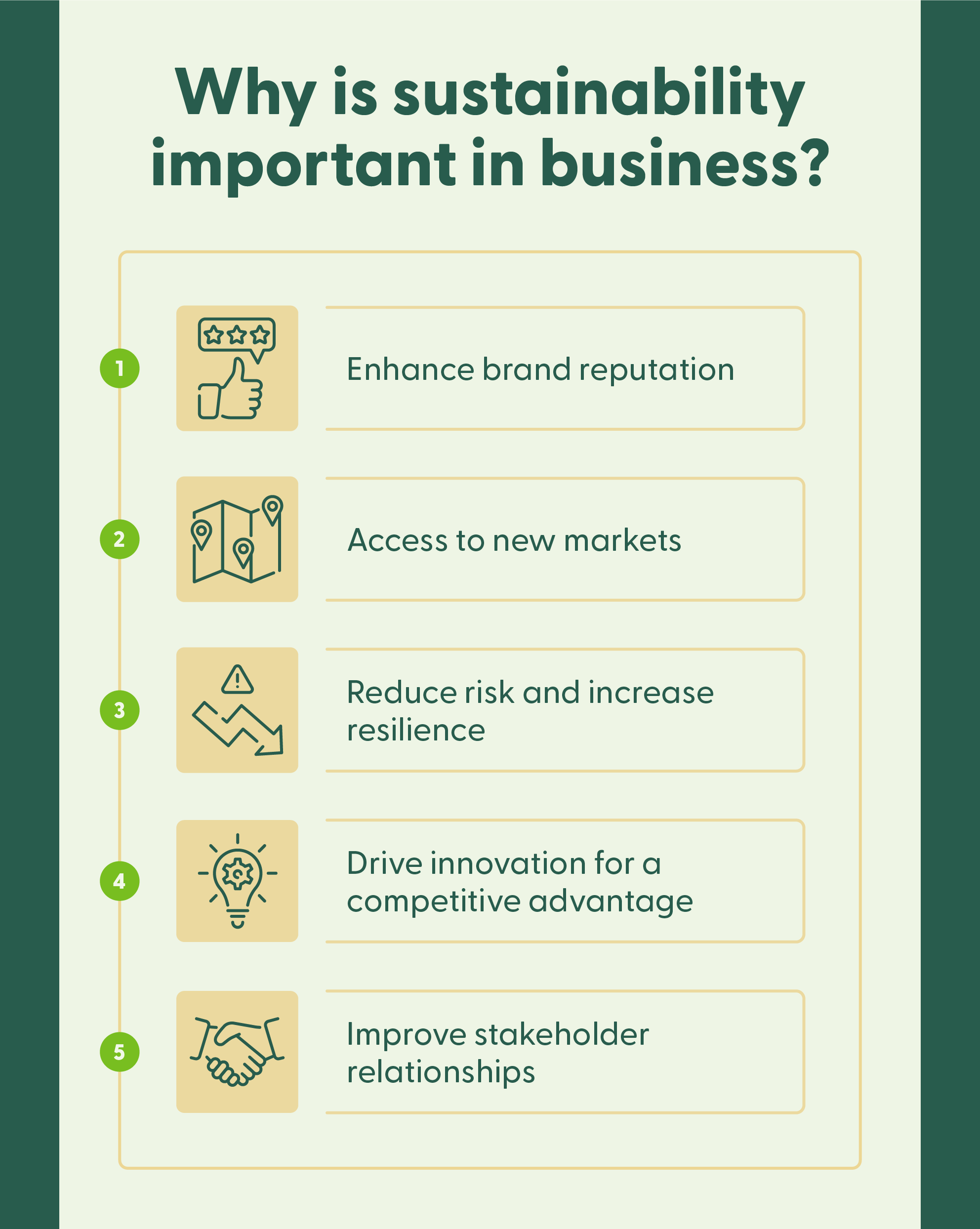
Sustainable hosting is picking up speed because the digital world is expanding faster than the systems that support it:
In 2024, Google cut their data centre energy emissions by 12%, even as overall energy demand continued to rise.
Every new app, online store, automated workflow, and AI tool increases the load on data centres.
This extra demand pushes energy use higher, which raises both operational costs and environmental pressure.
As a result, businesses are now treating sustainability as a strategic decision instead of a side project. They want digital infrastructure that is clean, efficient, and prepared for long-term growth.
Here are some key trends driving this transformation:
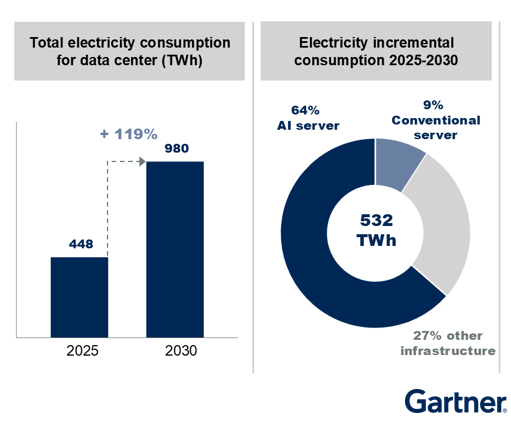
- The rise of AI-optimised servers is a major driver: their electricity usage is forecast to jump from 93 TWh in 2025 to 432 TWh by 2030 (a nearly five-fold increase). If your business is using or planning to use AI workloads, green data centres will be increasingly critical. These servers demand a lot of power. Hosting in a centre that runs on renewable energy or is highly efficient can make your AI operations more sustainable, both financially and environmentally.
- Electricity demand for data centres is projected to grow 16% in 2025 and double by 2030, rising from 448 TWh to 980 TWh. This growth means the infrastructure your site relies on is under pressure. Choosing a sustainable host is strategic. As demand skyrockets, clean and efficient hosting can help you hedge against rising energy costs and, obviously, resource bottlenecks.
- The global market for green data centres is expected to grow from USD 48.26 billion in 2025 to USD 155.75 billion by 2030, at a compound annual growth rate (CAGR) of 26.4%. This massive growth signals big investments in renewable infrastructure. For site owners, this means more hosting providers will offer sustainable options, better SLAs, and possibly even cost savings as green scale improves.
The takeaway: These numbers confirm that the industry is moving toward solutions powered by renewable energy hosting and energy-efficient engineering. What this means for businesses is straightforward: The world is asking for cleaner digital operations. Customers care about accountability. Regulations are becoming tighter. Power costs keep climbing. In this environment, sustainable hosting is a responsible and practical choice that supports long-term stability and stronger performance.
Key reasons behind the momentum include:
- Rising operational costs that push companies toward energy-efficient hosting.
- Growing reliance on AI and cloud workloads that stretch traditional data centres.
- Stronger ESG expectations from customers, partners, and investors.
- Increased availability of green data centres that rely on renewable energy hosting.
- Better long-term performance due to reduced energy waste and modern infrastructure.
6 Characteristics of Green Data Centres You Should Look For
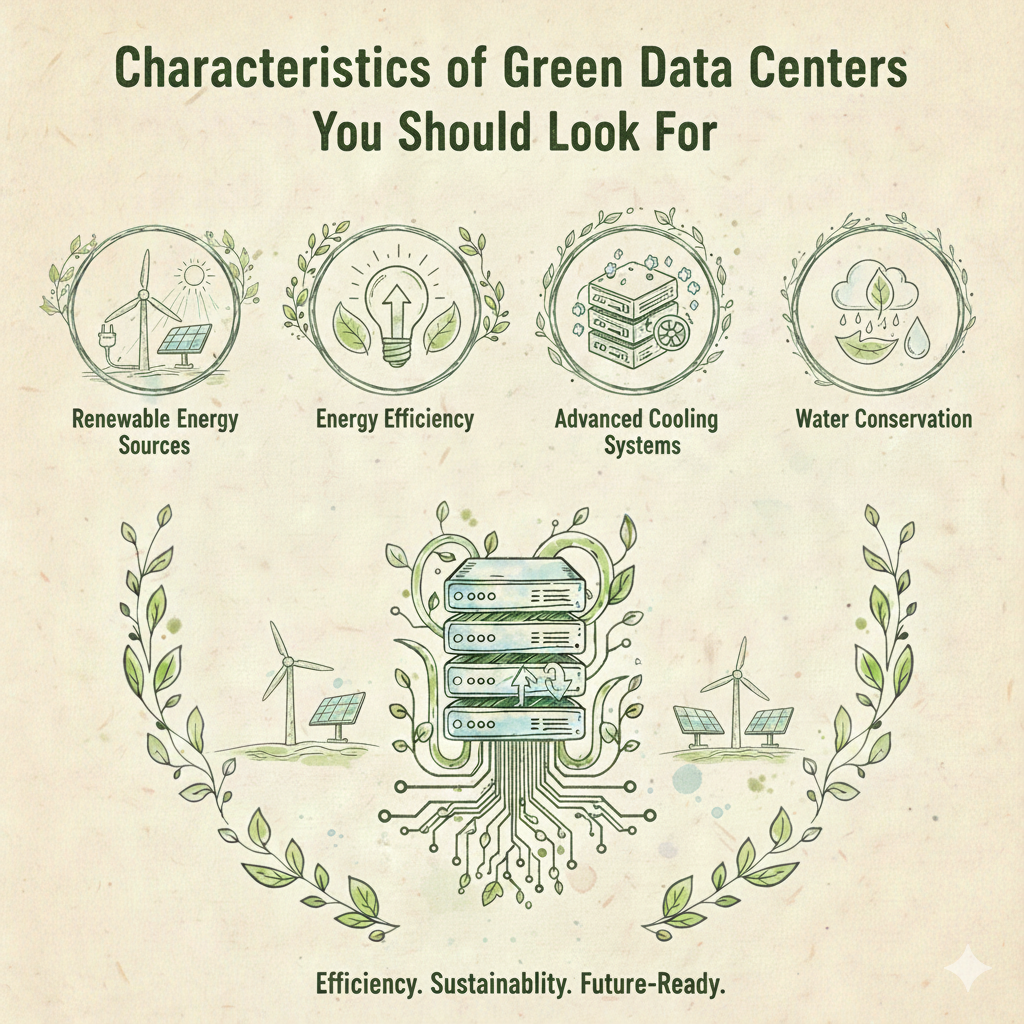
Many site owners in India are facing a practical problem: traffic is going up, hosting loads are increasing, and power bills for data operations are creeping higher every quarter.
You want hosting that performs consistently, but you also want infrastructure that won’t leave you exposed to rising energy costs or scrutiny from customers who care about how their digital suppliers operate.
Green data centres solve this when they are engineered with the right principles. The challenge is knowing what to look for, because not every provider using the word “green” is truly investing in clean, future-ready infrastructure.
Leverage these signals to help you quickly evaluate whether a data centre is built for the next decade of digital growth:
1. High-Performance Architecture Designed for Lower Energy Load
Modern green data centres focus on performance engineering rather than raw hardware scale. They design their racks, workflow management, and thermal systems to do more work per kilowatt. This reduces strain on your cost structure and the environment.
Key signs to look for:
- Hardware with high compute density that delivers strong output for every watt consumed
- Automated workload orchestration that ensures power isn’t wasted on idle machines
- Real-time resource monitoring delivering accurate data for capacity planning
Facility operators who invest in intelligent system design usually deliver better uptime and more predictable cost control.
2. Smart Thermal Management that Reduces Power Drain
Cooling is one of the biggest power consumers in any hosting environment. Large facilities traditionally push chilled air through vast rooms, which increases operating costs and carbon emissions. Green data centres take a different approach and engineer their climate controls more intelligently.
Indicators of modern thermal efficiency:
- Advanced airflow zoning to keep heat pockets from forming
- Precision cooling solutions that target racks rather than entire buildings
- Regular temperature load mapping to avoid energy spikes
These systems keep servers operating within an optimal temperature range and reduce long-term strain on cooling equipment, extending hardware life and improving reliability.
3. Verified Renewable Energy Supply
A truly sustainable facility draws its electricity from clean power. Providers usually publish traceable information that proves where their power comes from. That level of transparency matters because it gives businesses confidence that their digital operations are not dependent on fossil-heavy grids.
Look for:
- Renewable procurement commitments in writing
- Power supply backed by solar, wind, small-hydro, or similar clean sources
- Clear disclosures on the percentage of clean energy used throughout the year
Businesses that want to future-proof their hosting stack can ask for proof of annual renewable reporting. Providers serious about sustainability have no issue sharing that information.
4. Lifecycle-Based Hardware Policies
Sustainability does not stop at electricity. Servers have manufacturing and disposal footprints that impact the environment. Green data centres take this seriously and manage their equipment lifecycles in a structured, accountable manner.
Strong hardware policies usually include:
- Procurement guidelines that prioritise energy-efficient enterprise systems
- Component reallocation strategies to maximise years of productive use
- Responsible end-of-life recycling to reduce landfill impact
Facilities that treat hardware as long-term assets usually deliver better reliability and don’t suffer from mid-life performance degradation, which can affect the hosting experience.
5. Operational Visibility and Continuous Measurement
Green data centres don’t guess. They measure. They track real consumption patterns across server loads, cooling systems, and facility equipment. This gives them the ability to adjust quickly and improve performance without massive infrastructure changes.
Important performance indicators include:
- Power usage effectiveness (PUE) tracked consistently
- Continuous data export for stakeholders needing transparency
- Facility oversight software capable of reporting early inefficiencies
Businesses that need strong compliance reporting, ESG commitments, or investor disclosures can benefit significantly from this transparency.
6. Engineering for Long-Term Scalability
Digital workloads rarely stay flat. AI tasks, automation, streaming, and real-time applications grow aggressively. Green facilities designed for future scaling give site owners room to expand without worrying that growth will trigger operational instability or higher environmental impact.
Providers investing in scalable green infrastructure usually offer:
- Modular power and cooling systems that expand based on real demand
- Space planning that anticipates higher server density
- Capacity strategies that help businesses take on heavier workloads confidently
The takeaway: If you manage a website, the infrastructure behind it is going to shape your operational costs and brand perception going forward. Green data centres give you a direct advantage: stronger performance, controlled energy exposure, and a hosting environment aligned with the expectations of an increasingly climate-aware market.
Smart infrastructure decisions at this stage can give your digital business resilience, no matter how the technology landscape changes in the coming years.
How to Choose the Right Renewable Energy Hosting?
Many Indian businesses have already shifted workloads to the cloud, yet most founders realise the electricity powering those servers is becoming a major operating variable.
Rising tariff revisions, grid fluctuations in certain metros, and increasing demand from AI workloads are pushing companies to rethink where their data lives.
When you choose hosting powered by renewable energy, you get better long-term cost stability and strengthen your brand’s environmental position. The challenge is separating genuine renewable-powered hosting providers from those who only market themselves as sustainable.
Here are the key factors you need to evaluate before selecting a renewable energy hosting provider:
Tip #1: Verified Clean Energy Source and Traceability
Who is it for: SMEs that want confidence that their hosting facility is actually running on clean power and not just claiming it in marketing collateral.
A provider that runs on renewable power should be able to show evidence of its energy mix in a way that can be verified.
You want clarity on where the power is generated, how it reaches the facility, and how consistently the data centre depends on clean energy across the year.
Some organisations only partially use renewables and rely on grid energy during peak demand. Traceability gives you a realistic understanding of your hosting’s actual impact.
How to implement:
- Ask for year-round energy reports that detail the percentage of renewable usage.
- Request clarity on whether power is generated on-site or purchased through structured supply agreements.
- Evaluate whether the provider uses renewable power for core operations every day or only during lower workload periods.
- Study published ESG or sustainability documents to see how the energy mix has evolved over the previous 2 to 3 years.
Checklist of questions:
- What percentage of operational electricity comes from renewable sources throughout the year?
- Does the provider have independent energy audits or third-party verification?
- Are renewable sources consistent or only used during low-demand cycles?
- Is the renewable power sourced on-site or supplied through external agreements?
Tip #2: Operational Reliability and Power Continuity
Who is it for: Businesses that need predictable uptime and want assurance that renewable power does not compromise hosting stability.
Direct solar or wind supply alone cannot guarantee stable power every day.
Leading data centres solve this by combining renewable sources with smart power storage strategies and well-designed energy management systems.
Your hosting should remain online at all times, even when renewable energy production dips due to weather or seasonal fluctuations.
How to implement:
- Study the power resilience strategy, including backup generation and power routing.
- Find out how power is stored, balanced, and distributed during peak load.
- Evaluate uptime history for the past twelve months.
- Review power transition mechanisms designed to prevent application downtime.
Questions to ask:
- What power continuity systems protect mission critical workloads?
- Does the provider offer availability guarantees backed by measurable performance records?
- How many power layers support hosting if the renewable output drops?
- Does operational uptime change seasonally?
Tip #3: Data Centre Engineering That Reduces Net Energy Load
Who is it for: Teams that want to push high workloads but still maintain a low operational footprint.
A renewable-powered data centre must also run efficiently. If the facility consumes excessive electricity, renewable sourcing alone does not solve the issue.
You want a provider that has engineered the layout, work dispatching policies, thermal management, and hardware selection to reduce total power draw.
Lower energy demand helps your hosting scale more predictably and gives you more value per kWh.
Actionable ways to evaluate:
- Compare power usage effectiveness values and chart improvement trends over time.
- Review rack cooling design to understand how heat is handled at the server level.
- Ask about scheduling systems that minimise idle energy wastage.
- Check how equipment refresh cycles reduce long-term draw.
Decision questions:
- What is the current PUE, and how has it changed year to year?
- Is thermal management continuously monitored using sensors?
- Does the provider share energy performance reports with clients?
- How is equipment upgraded to improve output per watt?
Tip #4: Contract and Pricing Transparency
Who is it for: Businesses planning for long term digital growth and want predictable cost structures instead of monthly surprises.
You want clarity on how costs behave as traffic grows.
Some vendors offer low introductory pricing but then increase consumption charges steeply once workloads hit a certain level.
A renewable hosting provider focusing on transparency usually shares full pricing logic, including power indexing, operational surcharges, and scalability provisions.
Implementation guidance:
- Request a full tariff breakdown, including all secondary charges.
- Check how pricing responds to power cost fluctuations.
- Assess whether the contract supports scaling in small increments instead of forcing large jumps.
- Find providers that offer clear cost projection tools so finance teams can forecast.
Questions to ask:
- How predictable are pricing changes over the next one to two years?
- Are energy cost variations directly passed to customers or absorbed through long term renewable agreements?
- Does the contract penalise scaling up or down?
- Are discounts available when workloads grow steadily?
Tip #5: Support and Technical Oversight
Who is it for: SMEs with lean IT teams that need partnering instead of a vendor relationship.
Most smaller companies do not have dedicated infrastructure architects monitoring energy planning, workload optimisation, or thermal performance.
A strong renewable hosting partner supports you through that gap. You want engineers who can help you tune your workload to be more power-aware and infrastructure teams that can advise when your hosting configuration needs modification.
Practical steps:
- Check if the provider maintains a specialised team focused on energy performance.
- Ensure you can talk to engineers capable of tuning workloads instead of only sales staff.
- Review response times for critical issues.
- Find out whether workload review sessions are part of the contract.
Important questions:
- How quickly do support engineers respond to operational alerts?
- Can the support team help diagnose inefficiencies in hosting configurations?
- Do they offer scheduled infrastructure reviews?
- Is support routed through specialists or general call centre queues?
Bonus: Pro Tips to Make the Decision Stronger
- Compare energy mix reports for at least two consecutive years to see if the provider is improving or stagnant.
- Prioritise partners that treat energy efficiency as an engineering problem, not a marketing talking point.
- Evaluate facilities with stable PUE trends under high traffic scenarios instead of only reading their best published value.
- Visit or, if possible, virtually audit the facility. Visual confirmation often reveals more than company documentation.
- Study how the provider handles multi-tenant load balancing. Efficient tenant distribution often results in better long-term performance.
Stronger Performance, Cleaner Hosting Operations: BigRock Delivers Both
India’s digital push is only getting stronger, and you are building your business in a market where growth and responsibility must go hand in hand.
Every website is drawing more electricity than before, and founders are finally acknowledging the real-world impact behind their digital operations.
Put another way, sustainable hosting turns this awareness into action.
BigRock gives you a way to host your platform using performance-focused infrastructure powered by cleaner practices.
We help you gain faster sites, intelligent engineering, and long-term efficiency built for a future where energy transparency matters as much as uptime. Get in touch with us for more info!
FAQs
Does sustainable hosting really matter for small businesses in India?
Yes. SMEs reduce long-term hosting overheads, protect themselves from rising power tariffs, and gain a real competitive edge as customers increasingly question how digital suppliers manage their operational footprint.
How is renewable energy hosting different from regular hosting?
Conventional hosting relies on fossil-fuel electricity, which results in higher energy waste. Renewable hosting combines clean power sourcing and efficiency-led data centre engineering to lower carbon output and improve cost predictability over time.
Are green data centres reliable for high-traffic and AI workloads?
Top renewable facilities are built with multi-layer power redundancy, modern cooling zones, and high-density server architecture that maintain performance even during traffic surges and intense compute cycles.
What should I check before choosing a renewable hosting provider in India?
Look for verified energy sourcing reports, stable PUE trends, contract terms that show how costs behave as workloads grow, and engineering practices that prove the facility is optimised rather than just marketed as green.
Will choosing sustainable hosting improve brand perception?
Sustainable hosting signals operational maturity and proactive responsibility, helping brands stand out in B2B and B2C markets where procurement teams and customers now evaluate environmental accountability alongside price and performance.