| Choosing the best domain for personal website shapes your brand, credibility, and online visibility. This guide highlights the most common pitfalls to avoid, such as choosing poor names, ignoring SEO, or using unreliable providers, so that you can build a memorable and professional digital identity. |
Choosing the best domain for personal website is not as simple as just picking one that’s available. It should be a strategic process that helps establish your brand, your credibility, and your visibility. If you’re a freelancer, a creative pro, or a thought leader, your domain is your first impression on the internet.
The same applies to selecting a domain name. Many people hastily choose names that are difficult to memorise, lack SEO value, or appear unprofessional.
These mistakes can reduce traffic to your site, damage your brand, and prevent users from finding or trusting your website. As 77% of consumers consider a domain name very important when engaging with a brand online, with 47% emphasising memorability as the most essential feature.
In this guide, we’ll show you the biggest domain name pitfalls to avoid, so that you can make decisions today that will set you up for long-term success.
Common Mistakes When Choosing a Personal Domain
However, in the digital world, your domain is the first thing customers see. Steering clear of these mistakes will keep your domain memorable, relevant, and secure.
1. Ignoring Brand Consistency
A good domain should align with your name, profession, or area of interest. If it doesn’t, it creates confusion.
Avoid:
- Using unrelated words or slang
- Domain names that conflict with your social media handles
- Overly complex spelling variations
| Pro Tip: Check username availability across social platforms before finalising a domain. Brand alignment helps users easily find and remember you. |
2. Choosing Long or Complicated Domain Names
Simplicity is key. Long domains are hard to type, remember, and prone to errors.
Avoid:
- Using full sentences or descriptive phrases
- Unusual spellings or abbreviations
- Combining too many keywords
A clean, short domain looks more professional and is easier to market, which is essential for the best domain for personal website branding.
3. Not Securing the Right Domain Extension
The extension you choose affects how trustworthy and relevant your site appears.
Avoid:
- Unfamiliar or country-specific extensions unless relevant
- Free extensions that reduce credibility
Recommended:
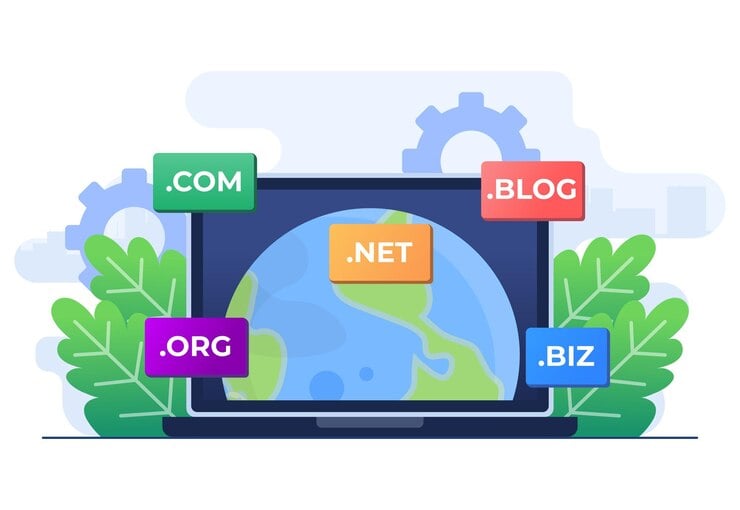
- Use .com for global appeal
- Consider .me, .name, or .online for personal branding
| Pro Tip: Choosing the right extension supports the visibility and professionalism of the best domain for a personal website. |
4. Ignoring SEO and Keywords
While personal branding is key, you shouldn’t overlook SEO value.
Avoid:
- Domains with no relevance to your content or profession
- Missing opportunities to integrate a niche keyword
If your name is familiar, consider adding a profession-related keyword (e.g., “HarryDoeDesign”). This helps search engines and users find your site more easily.
5. Failing to Check for Trademarks or Existing Brands
Before registering a domain, it’s essential to verify that it doesn’t conflict with any existing trademarks.
Avoid:
- Using names already associated with active brands
- Skipping proper trademark searches
Legal disputes can result in the loss of your domain and even financial penalties.
| Also Read: UDRP Explained: Your Guide to Resolving Domain Name Disputes |
6. Not Registering Variations and Misspellings
Registering only your exact domain leaves your brand vulnerable.
Avoid:
- Ignoring common typos or plural forms
- Not securing similar domains
Purchase relevant variations to protect your identity and redirect them to your leading site.
7. Using Numbers or Hyphens
These characters are often misunderstood when spoken or typed, leading to lost traffic.
Avoid:
- Substituting words with numbers (e.g., “4” for “for”)
- Inserting hyphens between words
Stick to words that are easy to pronounce and spell. Consistency supports memorability and trust.
8. Waiting Too Long to Register
Good domains get snapped up quickly. If you delay, you risk losing the perfect name.
Avoid:
- Browsing without a decision-making plan
- Assuming the domain will still be available later
Once you’ve found a domain that’s relevant, available, and memorable, secure it immediately.
9. Choosing Unreliable Domain Providers
The provider you choose affects more than just the price; it’s about long-term support and security.
Avoid:
- Unverified registrars with poor reviews
- Providers without transparent pricing or renewal policies
Look for registrars that offer bundled services, such as domain protection, hosting, and email management, to ensure long-term value and security.
10. Overlooking Domain Privacy Protection
Failing to enable privacy leaves your details exposed in public databases, such as WHOIS.
Avoid:
- Registering without privacy protection
- Ignoring renewal reminders and expiration notices
Protect your identity and avoid spam or cyber threats by enabling privacy settings.
Conclusion
Your domain is not just the URL, but the bedrock of your online presence. Steering clear of these common pitfalls means you’re not simply selecting a name, but building credibility, discoverability, and long-term growth into your brand.
Whether you’re creating a portfolio, starting a blog, or a platform to market your freelance work, be sure to choose the best domain for your personal website’s growth.
BigRock provides all of this at competitive prices and with 24/7 support for hosting, security, and, of course, domains.
Sign up at BigRock today and secure a domain to form a powerful digital identity.