| A free website security checker is an external, automated scanning tool that analyses a site’s public-facing surface for detectable risks such as malware injections, browser blacklisting, SSL/TLS misconfigurations, and missing security headers. |
On a Friday afternoon, online sales suddenly plummet. Support tickets flood in: “Your site just redirected me to a pharmacy page.” Google flashes a red warning, and ad campaigns are paused within the hour.
Revenue, reputation, and search rankings all nosedive because one line of injected code slipped past the team.A quick, external scan would have spotted that redirect minutes after it went live.
A free website security checker provides instant visibility into obvious threats such as malware injection, blacklisting, and SSL errors, so your team can triage quickly, protect customers, and keep search engines happy. Below you’ll find practical, business-focused guidance on running free scans, understanding the results, and knowing when to escalate.
Why Use a Free Website Security Checker?
Free external scanners give businesses a rapid snapshot of their public-facing risk. Within seconds, they surface malware, browser blacklisting, or certificate problems that jeopardise customer trust and SEO. Marketing teams, small ops crews, and budget-conscious businesses rely on them for low-cost, continuous assurance.
Set expectations, though: while a free website security checker excels at catching visible issues, it cannot probe behind logins, analyse databases, or test server-side logic. Treat it as your early-warning system within a layered security programme that also covers updates, backups, and deeper tests.
What Free Scanners Can and Cannot Do
External security checkers typically deliver four headline capabilities:
- Malware / Injected-Content Detection
- Blacklist / Reputation Checks against browser and antivirus feeds
- SSL / TLS Configuration and Certificate Health Analysis
- Basic HTTP Header Review to flag missing HSTS, CSP or X-Frame-Options
These scans provide actionable red flags, but they stop at the edge of your public site. They cannot:
- Authenticate into dashboards, checkout or admin areas
- Inspect databases or internal code paths
- Render complex, JavaScript-heavy single-page applications reliably
- Guarantee zero false positives, always validate with evidence
Use free results for triage: prioritise, remediate, then decide if a deeper, authenticated or paid assessment is justified.
How to Run a Free Website Security Check: Step-by-Step
Free scans deliver the most value when they slot into a simple, repeatable workflow.
Prepare Before You Scan
Have these items ready:
- The public URL(s) you want scanned and any canonical aliases
- A recent full-site backup snapshot
- A clear scope: production only, or is staging in play?
- A plan to capture timestamps, screenshots, and raw scan reports for evidence
Run External Scans
Follow this practical sequence:
- Malware / Blacklisting Scan: Catch active infections or browser flags first.
- SSL / TLS Check: Ensure certificates haven’t expired and strong cyphers are enabled.
- Header & Configuration Review: Surface missing security headers or mixed-content warnings.
Interpret Results and Assess Severity
A malware flag or Google blacklist entry is critical: customers are already at risk, and search ranking penalties follow quickly. Expired SSL certificates cripple conversions on any page collecting data. Meanwhile, missing headers or outdated plugins are medium priority unless they expose personal information.
False positives happen. Verify with manual page checks, request/response captures or screenshots provided by advanced scanners.
Then triage:
- Critical: isolate or take affected pages offline, restore clean backups, notify stakeholders.
- Medium: schedule patches, update plugins, roll out headers within days.
- Low: log, plan improvements, and re-scan after changes.
Prioritise Fixes By Business Impact
Start with flows that touch revenue or personal data:
- Customer authentication and payment pages
- Data-exposure vulnerabilities
- General configuration hygiene (e.g., missing security headers)
Remediation starters include revoking leaked credentials, renewing certificates, removing injected scripts, and patching CMS components. Assign an owner, set timelines, and document every step. Always rescan once fixes are deployed.
Build A Practical Scanning Routine For Ongoing Assurance
One-off scans catch incidents; routines prevent them. Most small businesses thrive on daily or weekly external scans, shifting to hourly checks during big launches. Combine malware/reputation, SSL, and header analysis to avoid blind spots.
Integrate scans into release pipelines or monitoring dashboards. Configure alerts that create tickets for developers or ops. Define clear ownership: who initiates scans, who patches, who handles backups, and who escalates?
Escalate when scans show persistent malware, repeated SSL failures, or anything indicating a data breach. Store every report; auditors love evidence, and historical logs help diagnose recurring issues.
Essential Remediation Steps After a Scan
When a scan confirms trouble, speed matters.
Immediate actions: quarantine or take the site offline if customers could be compromised, then restore from the most recent clean backup. Common hygiene practices solve a large share of issues:
- Keep CMS, plugins and libraries updated
- Enforce strong passwords and multifactor authentication
- Automate verifiable backups with a tested restore process
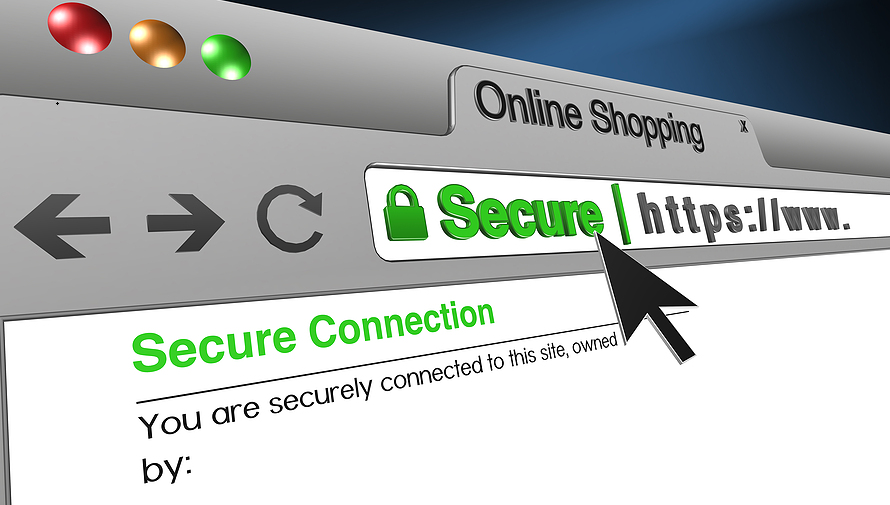
- Use HTTPS everywhere and renew certificates before expiry
- Deploy a Web Application Firewall where budgets allow
Re-run the same free scans to confirm clean status, then communicate with customers if availability or data was affected.
| Pro Tip: Need deeper, authenticated checks? Spin up a non-production copy of your site and run those scans there. You’ll safely test login flows and payment paths without exposing real data or disrupting live customers. |
Choosing When to Escalate to Paid Or Authenticated Testing
Free tools cover the surface. Escalate when:
- Evidence points to a data breach or stubborn malware
- Vulnerabilities affect checkout, account, or personal-data flows
- Repeated false positives waste time and require proof-based validation
- Regulations demand formal penetration testing
Paid or authenticated scanning crawls behind logins, checks server-side logic, handles JavaScript-heavy apps, and provides screenshots or raw requests to back every finding. Schedule staged scans, consider a professional pen test for high-risk releases, and archive reports for compliance.
Use a Website Security Checker Free to Protect Your Business
A free website security checker is an accessible first line of defence: it quickly identifies visible threats, helps you prioritise fixes, and maintains customer confidence.
Remember its limits; external scans can’t see everything, so pair them with disciplined hygiene, scheduled routines, and deeper authenticated assessments when the stakes rise.
If a scan uncovers issues that require rapid cleanup or stronger hosting safeguards, managed security providers can accelerate recovery; for instance, BigRock offers hosting plans bundled with support and malware remediation to restore uptime quickly.
- Run an immediate free site scan now to check for visible malware, SSL issues, and blacklisting.
- Schedule weekly automated scans and alerts to spot issues before customers do.
- Book a staged, authenticated scan after major releases to test login and payment flows safely.
- Explore managed hosting or remediation services (e.g., BigRock) if you need rapid clean-up, continuous monitoring, or hosting-grade protections.
So why wait? Get started now!