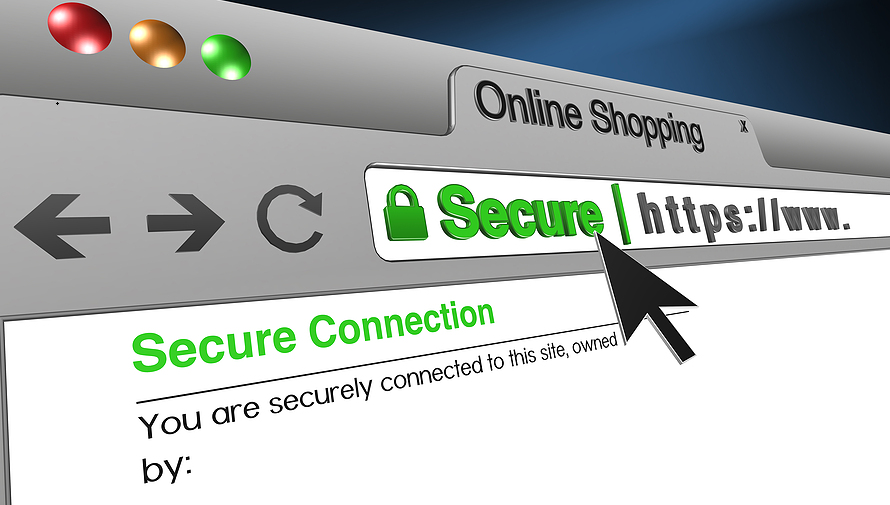
A Secure Sockets Layer (SSL) or Transport Layer Security (TLS) handshake is a digital greeting between a user’s browser and a website’s server. It (SSL/TLS handshake) creates a secure connection between a client and a server by encrypting data.
Today’s businesses focus on keeping their users’ sensitive data safe by providing secure communications and connections, increasing the demand for SSL/TLS certificates. They help verify a website’s identity and enable encrypted connections that protect data in transit, creating a safer browsing experience for everyone.
In this article, we’ll dive into what is an SSL handshake, and discuss the behind-the-scenes of SSL/TLS certificates
What is an SSL/TLS Handshake?
An SSL/TLS handshake is the process a client and server use to establish a secure connection before exchanging data. If you’re wondering what is an SSL handshake, it is essentially a negotiation that determines how the client and server will communicate securely using Transport Layer Security (TLS), the modern protocol that replaced Secure Sockets Layer (SSL). Although the term “SSL handshake” is still widely used, modern secure connections use TLS.
The handshake generally follows four phases:
- Agree on the protocol and security settings: The client and server determine which TLS version and encryption methods they both support.
- Verify the server’s identity: The server provides its digital certificate, which the client checks to confirm the website is authentic and that the certificate comes from a trusted source.
- Create shared session keys: The client and server securely generate matching encryption keys that will be used to protect the data sent during the session.
- Confirm the secure connection: Both sides verify that the handshake completed successfully and begin exchanging encrypted data using the agreed security settings.
Once these steps are complete, the client and server can communicate through an encrypted connection that helps protect sensitive information from interception and tampering.
How Does the SSL/TLS Handshake Work?
The SSL handshake process establishes the encryption settings and session keys a client and server need before they exchange protected data. The exact sequence can vary depending on the TLS version and cipher suites in use, but for simplicity, the process can be understood in four general stages:
- Client and server exchange hello messages
- The server proves its identity
- Both sides create session keys
- The client and server confirm the handshake
Step 1: Client and server exchange hello messages
The handshake begins when the client, typically a web browser, sends a ClientHello message. It tells the server which TLS versions and cipher suites it supports, along with other information needed to establish the connection.
The server responds with a ServerHello message that confirms the TLS version and encryption method it has selected. This initial exchange allows both sides to agree on how they will secure the connection.
Step 2: The server proves its identity
The server sends its digital certificate so the client can verify its identity. The client checks whether the certificate is valid, matches the requested domain, and can be traced to a trusted Certificate Authority (CA).
Depending on the TLS version and key exchange method, the client and server also exchange the cryptographic information needed to establish a shared secret. In older TLS handshakes, this may involve a premaster secret protected using the server’s public key. Modern TLS versions use more secure key exchange methods instead.
Step 3: Both sides create session keys
Using the information exchanged during the handshake, the client and server independently generate the same shared secret. From this, they generate session keys that will encrypt and authenticate data for the rest of the connection.
These keys allow both sides to secure their communication without sending the encryption keys themselves across the network.
Step 4: The client and server confirm the handshake
Finally, the client and server send encrypted “Finished” messages to confirm that the handshake was successful and that both sides calculated the correct security information.
Once these checks pass, the SSL/TLS handshake is complete, and the client and server can begin exchanging encrypted data through the secure connection.
In some environments, the server may also require the client to provide and verify a digital certificate. This process, known as mutual TLS authentication, confirms the identity of both parties and provides an additional layer of trust.
Learn more: How to install SSL certificates in a few clicks!
What is the Difference Between SSL and TLS Protocol?
SSL is a network security protocol designed to create a secure connection between two devices or applications over a network. Its main purpose is to authenticate identities, encrypt data, and help ensure information is not altered during transmission.
SSL was widely used as a security protocol for protecting data transmitted over the internet. However, due to several security weaknesses, SSL has been deprecated and replaced by TLS.
TLS is the more secure successor to SSL. It was developed to address SSL’s shortcomings and provide stronger protection for encrypted communications. TLS helps authenticate servers and, in some cases, clients while protecting data as it moves between a client, such as a web browser, and a server.
While SSL and TLS serve the same general purpose of securing online communications, modern SSL/TLS connections actually use TLS because it provides stronger security, improved performance, and more up-to-date encryption standards.
Learn more: SSH vs. SSL: What’s the Difference?
Summing Up
The SSL handshake is a quiet but essential process that helps secure online interactions in the background. Most users never notice it happening, but without a successful handshake, sensitive data could be exposed to interception, tampering, or other security threats.
For an SSL/TLS connection to work properly, the client and server need to agree on compatible protocol versions, cipher suites, and encryption settings. If the handshake is incomplete or misconfigured, the connection may fail or prevent the client and server from establishing a secure connection.
That’s why using a reliable SSL certificate matters. If you want to strengthen your website’s security, we offer SSL certificates that help authenticate your website and support secure, encrypted connections between your website and its visitors. Our email services can also help your brand’s professionalism and provide a better connection with your clients.
Frequently Asked Questions (FAQs) on SSL/TLS Handshake
An SSL/TLS handshake is the process that the client and server use to establish a secure connection. During the handshake, the client and server agree on security settings, verify the server’s identity, and generate session keys for encrypted communication.
During the SSL/TLS handshake process, the client and server exchange hello messages, agree on a TLS version and cipher suite, verify the server’s certificate, establish shared session keys, and confirm that the secure connection is ready.
A TLS handshake occurs at the beginning of a new secure connection, before encrypted application data is exchanged. For example, it takes place when a browser first establishes an HTTPS connection with a website’s server.
An SSL handshake can fail when the client and server cannot establish compatible security settings. Common causes include an expired or invalid certificate, incompatible TLS versions or cipher suites, an incomplete certificate chain, or incorrect SSL/TLS configuration.
TLS is the modern, more secure successor to SSL and is used by today’s secure internet connections. SSL is outdated and affected by known security weaknesses, while current secure connections use the TLS protocol.
SSL and TLS are security protocols designed to protect data in transit, although TLS has largely replaced SSL. HTTPS is HTTP secured with TLS, allowing browsers and servers to exchange information over an encrypted connection.
We’d love to hear from you! Share your thoughts or questions in the comments below.