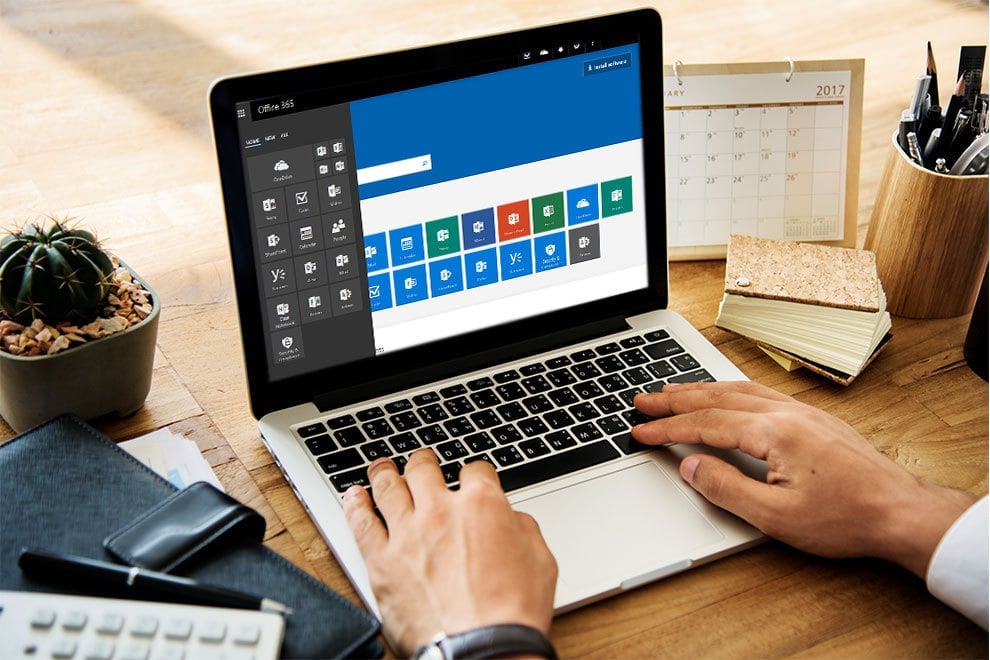
| Integrating Google Workspace with your business tools begins with assessing your needs and security requirements, then choosing the best method from native add-ons, Apps Script, or third-party platforms. The process involves a structured implementation using specific playbooks for tools like Slack or CRM, followed by a secure roll-out and continuous monitoring. Finally, ongoing governance, maintenance, and performance optimisation are crucial for ensuring the integrations remain effective and secure over time. |
Integrating Google Workspace with your existing business tools involves a phased approach, starting with a thorough assessment of your current applications and business goals. The process continues by selecting the right integration method, such as native add-ons, Apps Script, or third-party tools. Finally, you must implement the integration with a clear focus on security, user training, and ongoing maintenance to ensure seamless and efficient collaboration.
Phase 1 – Assess Your Current Stack & Integration Goals
Before installing a single add-on, take stock. A clear baseline prevents over-engineering later and keeps security teams happy.
Inventory Your Existing Tools
List every app your organisation touches—communication, CRM, project management, finance, HR. For each tool, map how its data should flow with Gmail, Drive, Calendar or Sheets. A simple spreadsheet works: columns for “Source App,” “Destination Workspace App,” and “Data Objects.” This exercise often reveals duplicate or outdated tools you can retire immediately.
Define Business Outcomes & KPIs
Good integrations start with measurable goals, not shiny features. Examples: • Auto-sync CRM contacts to Gmail so reps never copy-paste addresses.
- Cut email-to-chat context-switching by 40 per cent within three months.
- Generate weekly revenue snapshots in Sheets without manual exports.
Tie every integration to a KPI that leadership already tracks. That way, success is obvious—no extra dashboards needed.
Evaluate Security & Compliance Requirements
Google Workspace relies on OAuth scopes. Decide which scopes are truly required, who can grant them, and whether you need admin-level or user-level installs. Check data-residency rules (GDPR, HIPAA, etc.) and record them in a permission matrix your security team can approve.
Quick Win Checklist
- Do we really need this data in real time?
- What’s the worst-case scenario if a sync fails?
- Can we restrict access to a pilot group first?
- Does the vendor publish regular security audits?
Phase 2 – Choose the Right Integration Method
With goals locked, choose how to connect Google Workspace apps. Three paths exist, each with trade-offs.
Native Google Workspace Add-ons & Marketplace Connectors
Ideal for common use-cases and non-technical teams. One-click installs add buttons directly inside Gmail, Calendar or Drive.
Example connectors
- Google Meet for Slack
- Salesforce Gmail Add-on
| Pros | Cons |
| Fast deployment | Limited customisation |
| Google-vetted security | Can’t handle complex workflows |
| Low or zero cost | Feature updates follow Google’s schedule |
Google APIs & Apps Script for Custom Builds
When your workflow is unique—or data volumes are huge—go custom. Google Apps Script lets you write JavaScript that lives inside Sheets, Docs or standalone projects.
// Apps Script: post new Sheet row to Slack function postToSlack(e) { const data = e.values; const payload = { text: `New lead: ${data[0]} – ${data[1]}` }; UrlFetchApp.fetch(‘https://hooks.slack.com/services/XXX’, { method: ‘post’, contentType: ‘application/json’, payload: JSON.stringify(payload) }); }
Attach the trigger to “On form submit” and every new row pushes a Slack alert—no middleman required.
| Also Read: The Rise of Serverless Hosting: What It Means for Developers |
Third-Party Tools for Workspace (iPaaS & Middleware)
Platforms such as Zapier, Make, Workato, and Tray.io bridge hundreds of apps without code. They shine when: • You need to connect Google Workspace to multiple non-cloud or legacy systems.
- Workflows require conditional logic or bulk operations.
- IT resources are limited, but governance demands audit trails.
Decision Matrix – How to Pick the Best Path
| Criteria | Native Add-on | Apps Script / API | Third-Party iPaaS |
| Complexity | Low | High | Medium |
| Upfront Cost | Low | Medium | Varies |
| Maintenance | Google-managed | In-house dev | Vendor-managed |
| Compliance | Google’s baseline | Fully custom | Shared |
Phase 3 – Step-by-Step Playbooks for High-Impact Integrations
The following Google Workspace integrations cover the most requested use cases for growing teams. Adapt each playbook to fit your own KPIs.
Connecting Workspace and Slack
Prerequisites: Google Workspace admin rights and Slack workspace admin access.
Steps
- Install the Google Drive app for Slack from the Slack App Directory.
- Grant requested OAuth scopes.
- In Slack, open /Drive preferences to configure channel alerts for shared files and comments.
- Test by sharing a Drive link in a channel—Slack should render a preview automatically.
Use-cases
- Automatic Drive link previews reduce “Which file?” back-and-forth.
- Calendar meeting reminders land directly in project channels.
| Pro Tip: Restrict the Drive bot to specific channels so sensitive file metadata isn’t exposed company-wide. |
CRM Integrations Google Can’t Live Without
Tools: Salesforce, HubSpot, Zoho CRM, Pipedrive.
Steps
- From Gmail, click the plus icon > “Get add-ons” > install your CRM’s official Gmail Add-on.
- Map fields—e.g., Gmail sender → CRM contact, email subject → activity title.
- Enable bi-directional sync so changes in the CRM instantly reflect in the Gmail sidebar.
Best practices for flawless crm integrations with Google
- Dedupe contacts before the first sync.
- Tag strategic accounts so sales emails surface in CRM dashboards.
- Use Gmail labels (Deals-Won, Deals-At-Risk) to trigger CRM workflows.
Project Management & Task Tracking (Asana, Trello, Monday.com)
For advanced automation, combine Sheets triggers with Apps Script:
- When a row status flips to “Done,” Apps Script moves the corresponding Trello card to the “Completed” column.
- A daily Apps Script job exports project metrics into Google Slides, creating ready-to-share status decks.
Finance & Accounting (QuickBooks, Xero)
- Use each vendor’s API to export paid invoices into Sheets every night.
- Schedule Email App Script to send CFOs a weekly summary with pivot-table insights.
Troubleshooting Common Errors
- 403 “insufficient permissions” – recheck OAuth scopes and confirm domain-wide delegation.
- API quota limits – batch requests or request higher limits via the Google Cloud console.
- Duplicate records – enable unique keys (e.g., invoice ID) and switch sync mode to “Update if Exists.”
| Also Read: How To Migrate Your WordPress Site To Our WordPress Hosting Package |
Phase 4 – Governance, Security & Compliance
Integrations fail at audit time if governance is an afterthought. Bake security into every stage.
Principle of Least Privilege
Grant only the scopes a workflow needs—nothing more. If reading Drive metadata suffices, avoid write permissions.
Ongoing Audits & Monitoring
Google Admin Console > Security > API Controls shows every active add-on. Review monthly and revoke unused connectors. Also, check Marketplace reviews for recent vulnerabilities.
Data Residency & Regulatory Alignment (GDPR, HIPAA)
Store automated exports in Drive folders backed by region-specific storage buckets. Enable Vault retention policies to satisfy legal holds.
Governance Checklist
- Permissions matrix signed by the security lead.
- Audit schedule on the team calendar.
- Backup location & retention policy documented.
Phase 5 – Testing, Training & Roll-out
Even perfect integrations flop without user buy-in.
Run a Pilot Program
Select power users from each department, run the workflow for two weeks, log every issue, and iterate quickly.
End-User Training & Change Management
Short Loom videos beat 20-page PDFs. Host weekly office hours where users can share screens and troubleshoot live. Pin the FAQ docs in the Chat rooms for self-service help.
Measure Adoption & Iterate
Track:
- Active add-on installs in Admin Console.
- Drop in manual CSV exports.
- Support tickets tagged “integration.”
Phase 6 – Maintenance & Continuous Optimisation
Integrations are not “set and forget.”
Keep Apps & APIs Updated
Subscribe to Marketplace update logs and Google Workspace Release Notes. Schedule quarterly reviews to apply updates during low-traffic hours.
Monitor Performance & Quotas
Stream API usage into BigQuery and visualise with Looker Studio dashboards. Set alerts when calls exceed 80 per cent of quota.
Scale Integrations as You Grow
Volume climbing above 10k tasks per month? Migrate from Zapier to a heavier iPaaS like Workato for robust error-handling and role-based access controls.
When to Call in Experts
- Connecting on-prem ERP to Sheets via a secure gateway.
- Building a custom security layer for HIPAA data.
Conclusion – Unlock Seamless Collaboration with Smart Integrations
Connecting the right tools, the right way, transforms Google Workspace from a productivity suite into your company’s nerve centre. Start with a clear assessment, pick the appropriate integration method, follow tested playbooks, enforce governance, and keep iterating as your business evolves.
Ready to build on a rock-solid foundation? Secure your domain with BigRock today and explore email hosting with Google Workspace