| Phishing, malware, or human error are the common ways that email data breach happens and consequently result in sensitive information theft and expensive scams such as BEC. Business can now protect their communication and minimise risks with professional hosting solutions that provide encryption, sophisticated threat protection, and MFA. |
One morning, you open your inbox only to learn that sensitive business information has been stolen, or even worse, your clients are being sent fraudulent emails using your account.
These email data breaches are becoming increasingly common, and they ultimately result in financial losses, reputational damage, and stress for both individuals and businesses.
That’s why you need an established email hosting service for encryption, secure infrastructure, frequent updates, and firewalls. This will prevent unauthorised personnel from accessing your communications.
In this blog, we will discuss the concept of email data breaches, their significance, and the actionable steps that you can take to ensure the safety of your accounts with safe hosting providers.
Email Types of Data Breaches
There are some ways through which malicious users exploit vulnerabilities or human error in email systems. Those are –
- Phishing Attacks – In this, the spam messages are sent by cyber attackers impersonating a legitimate source, i.e., a bank or colleague, to deceive the receiver into revealing sensitive information like login credentials.
- Malware Infection – Attackers disseminate malware through attachments or links in an email. If clicked or opened, malware secretly installs viruses, ransomware, or spyware to steal information or hijack a system.
- Business Email Compromise (BEC) – This is a smart scam where a hacker impersonates a company executive or supplier in an email to trick an employee into wiring funds or revealing sensitive company information.
- Credential Theft and Brute Force – Stolen passwords and usernames from an original breach in another incident are used to bypass authentication and gain unauthorised access to email accounts. Weak passwords or stale passwords make the whole process easier for hackers.
- Accidental Data Exposure – Human error is also a leading cause of data breaches. These include an employee sending an email with confidential information to the wrong recipient or having unencrypted devices containing email data exposed to the environment
| Also Read: What Is Spoofing in Cybersecurity? Understanding the Risks |
How Professional Hosting Protects You
While free email services give minimal security, business email hosting providers have a multi-tiered protection system guarding your email system.
Defense Features
- Sophisticated Spam and Phishing Filters – Secure hosting services employ machine learning and real-time threat data that scans for malicious attachments, links, and spoofing patterns. They can spot and block sophisticated threats that bypass simple filters.
- Advanced Threat Protection – Such software, such as “sandboxing,” scans untrusted attachments and links in a safe, isolated environment before they reach your inbox. This blocks zero-day malware and other advanced threats.
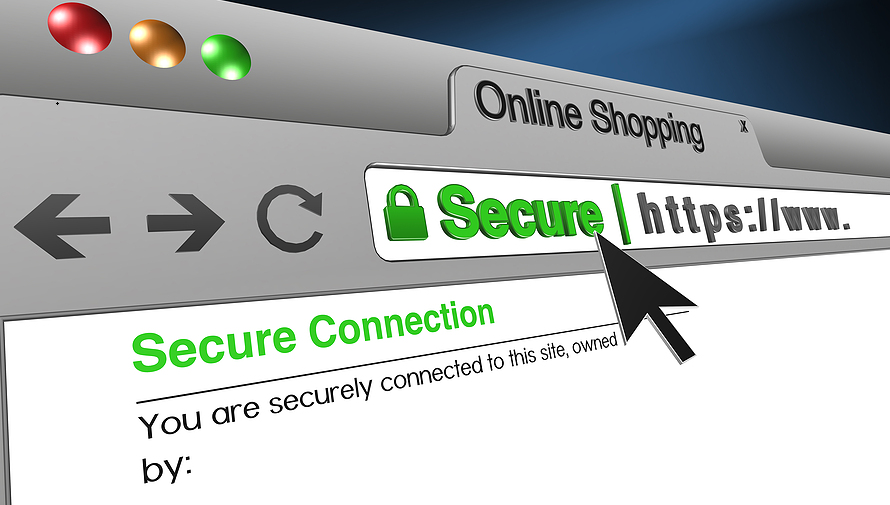
- Advanced Encryption – Web hosting firms are able to encrypt data in transit (using TLS and SSL protocols) and at rest (when stored on servers). This blocks interception or access by anyone other than authorised parties.
- Secure Server Infrastructure – A reputable hosting firm employs firewalls, intrusion detection software, and scheduled vulnerability scans to protect email servers from external attacks.
- Patch and Update – The strongest responsibility of a secure host provider is perhaps maintaining server software and security patches up to date. This includes known vulnerabilities that are most frequently attacked.
| Pro Tip: Always verify whether your host provider supports end-to-end email encryption to ensure complete data confidentiality. |
Administrative Controls and Procedures
- Multi-factor Authentication (MFA) – Providing an additional layer of protection, MFA requires a secondary method of verification beyond a password, such as a one-time confirmation sent to your phone. This is one of the best methods to prevent account takeovers if a password has been compromised.
- Email Authentication Mechanisms – Mechanisms like SPF, DKIM, and DMARC are DNS settings that validate a sender and secure against spoofed emails. They determine that an email was sent on your domain’s behalf and was not altered when travelling.
- Data Loss Prevention (DLP) – The process analyses and inspects outgoing emails so that sensitive information is not accidentally sent without its consent.
- Granular Access Control – Hosted professional environments allow administrators to enforce role and permission-based access restrictions. It also adheres to the “least privilege” concept by granting access to data required for an employee’s role only.
User Practices
With a secure hosting firm, your employees can also be a breach wall.
- Employee Training – Continuous employee training allows employees to recognise phishing attacks, bypass questionable attachments, and implement best practices in email security.
- Strong Password Policies – Require the use of strong, unique passwords for the email and the use of a password manager.
- Practice Prudence – Educate users to confirm unusual data requests or fund transfers via an alternative communication method, particularly in cases where a request is time-sensitive.
Stay Ahead of Email Threats with Smarter Security
Email intrusions are increasing, but secure professional hosting and intelligent user habits can greatly minimise danger. From encryption and MFA to staff training, each protection layer plays its part in your defence.
Want to safeguard your business email? Get BigRock’s business email hosting for uncompromising security and peace of mind. Sign up now to get started!