| Spoofing is a cybersecurity tactic where attackers impersonate a trusted digital identity to deceive victims and bypass security controls. Common forms include email, IP, and website spoofing, which are often used as the initial step in phishing and other cyberattacks. Protecting against spoofing requires a layered defence, including email authentication protocols (SPF, DKIM, DMARC), DNS security (DNSSEC), zero-trust verification with MFA, and continuous employee training. |
Ninety per cent of data-breach chains begin with some form of identity deception. Spoofing—the art of dressing a malicious source up as a trusted one—sits at the centre of that statistic. Many SMEs and agencies assume their size keeps them safe until a forged invoice drains cash, a fake domain siphons traffic, or hijacked email headers leak customer data. This in-depth guide demystifies spoofing, shows why it stings businesses of every size, walks through vivid real-world examples, and delivers a pragmatic defence plan you can act on today.
Let’s start with a clear definition.
What Is Spoofing in Cybersecurity?
Spoofing in cybersecurity is the act of impersonating a legitimate digital identity—an email address, IP packet, website, phone number, or even a multi-factor prompt—to steal data, defraud victims, or bypass controls. Think of it as a “fake ID” that lets attackers blend in just long enough to launch phishing, malware drops, ransomware, or wire-fraud schemes. The most common categories you’ll meet in the wild include email, IP/DNS, website/URL, caller ID, and the newer MFA push variants.
| Also Read: Decoding Cybersecurity Mesh: A Comprehensive Guide |
Why Spoofing Attacks Matter for SMEs & Enterprises
Even lean, fast-moving companies now sit in spoofers’ crosshairs. Successful attacks inflict four compounding risks:
- Financial loss – Small and mid-sized businesses admit they have paid at least one fraudulent invoice before spotting the scam.
- Reputational damage – A single spoofed email campaign can land your domain on blocklists, eroding customer trust overnight.
- Compliance fines – Regulations like GDPR and CCPA levy steep penalties when spoof-origin breaches expose personal data.
Generative-AI tools now let criminals spin up convincing spoof artefacts—logos, voices, even deep-faked domain certificates—in minutes, driving both scale and realism.
How Does Spoofing Work? Key Attack Vectors
Spoofing succeeds by forging trust cues that humans and machines rely on. Below are the primary vectors and how attackers bend each to their will.
What Is Email Spoofing & How Attackers Fake Headers
A spoofed email manipulates the “From” header to display a trusted sender while routing mail from an attacker-controlled server. Open relays, misconfigured SMTP gateways, and a lack of SPF, DKIM, or DMARC records make that trivial.
IP & DNS Spoofing
At the network layer, threat actors craft packets with a falsified source IP to dodge access-control lists or flood targets in distributed-denial attacks. On the DNS side, cache-poisoning pumps fake “A” records into resolvers so browsers land on impersonation sites instead of yours.
Website/URL Spoofing
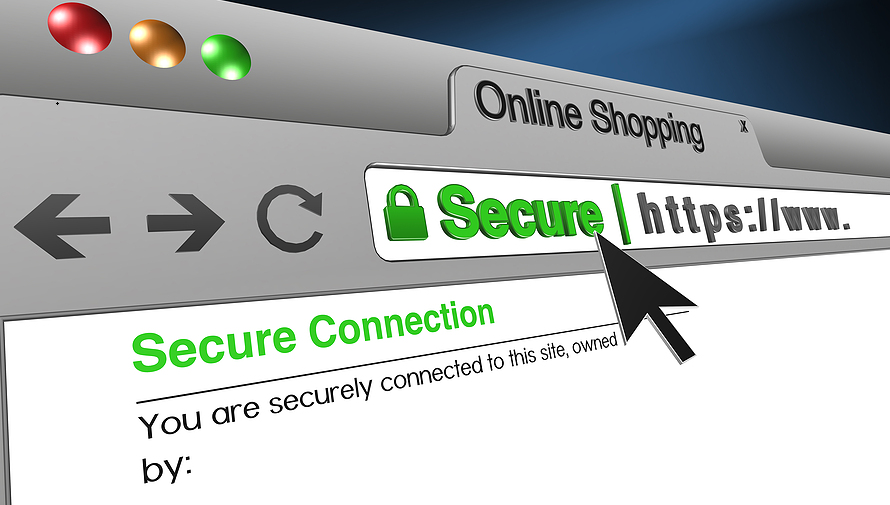
Homoglyph or “look-alike” domains replace characters with visually similar Unicode glyphs—paypaI.com (capital “i”) vs. paypal.com. Coupled with free SSL certificates, even tech-savvy users misfire clicks.
Caller ID & VoIP Spoofing
Session Initiation Protocol (SIP) headers are easy to overwrite, making robo-callers appear to ring from customer-service lines, law-enforcement offices, or an executive’s mobile.
MFA Push Bombing (Rising Trend)
Attackers brute-force employees with repeated authenticator prompts. Fatigue sets in, someone taps “Approve,” and the criminal waltzes into the account—no password required. This hybrid of spoofing and social engineering bypasses traditional 2FA.
| Also Read: Common Types of Cyberattacks and How to Prevent Them |
Quick Red-Flag Checklist to Spot a Spoof
Run through these cues before clicking, writing, or approving anything:
- Misspelt root or sub-domains (paypaI.com, g00gle-support.net).
- Display name says “CEO”, but return-path shows a free mail host.
- HTTPS padlock present, yet the certificate is self-signed or mismatched.
- Surprise MFA push requests at odd hours.
- IP geolocation jumps between continents in minutes.
Spoofing vs. Phishing: Are They the Same Threat?
Spoofing and phishing often travel together, but are not identical. Spoofing is the disguise; phishing is the con that follows. Attackers use spoofing to impersonate a trusted entity, then launch phishing emails, business email compromise (BEC), or traffic hijacks.
| Aspect | Spoofing | Phishing |
| Core action | Impersonate identity | Deliver a deceptive message |
| Medium | Email headers, DNS, caller ID, MFA | Email, SMS, social DM |
| Goal | Bypass controls | Steal credentials or money |
| Mitigation | SPF/DKIM/DMARC, DNSSEC, caller-ID analytics | Security-awareness training, URL filtering, and anti-phishing gateways |
Real-World Cyber Spoofing Examples
SME Invoice Scam—Manufacturer Loses USD 150 K
Attackers studied a parts supplier’s billing cycle, spoofed its domain, and emailed a fresh PDF invoice containing new bank details. Accounts payable wired the money within hours. The victim spent another USD 30 K on forensics and legal recovery efforts.
DNS Spoofing on Global Brand—Traffic Redirected to Malware Site
A cache-poisoning wave sent 1.5 million visitors of a popular apparel brand to a drive-by-download page in a single day. Search engines temporarily flagged the official domain as malicious, tanking SEO rankings for weeks.
How to Protect Against Spoofing
Defence works best when layered across email, DNS, user identity, and monitoring.
Secure Your Email Channel
- Publish SPF, DKIM, and a DMARC record set to reject.
- Add BIMI so inboxes show your brand logo, reinforcing authenticity.
- Automate DMARC-report analysis—BigRock’s email security dashboard can surface anomalies in minutes.
Harden Your Domain & DNS
- Enable DNSSEC to cryptographically sign zone data.
- Turn on registry lock and enforce two-factor login at your registrar.
- Audit name-server records quarterly; delete dormant sub-domains.
Adopt Zero-Trust User Verification
- Mandate MFA based on time-based one-time passwords or hardware keys.
- Apply conditional-access rules—deny logins from unmanaged devices or impossible travel.
- Train staff to refuse unexpected authenticator prompts, even if they appear to come from IT.
Continuous Monitoring & Incident Response
- Feed DNS logs and mail-header anomalies into a SIEM for real-time alerts.
- Run company-wide phishing simulations every quarter.
- Maintain a living incident-response playbook and rehearse it twice a year.
Combine these controls and you’ll close most spoofing windows before criminals wriggle through.
Final Thoughts
Spoofing is the camouflage powering today’s most profitable cybercrimes, but layered safeguards beat it. Lock down email with DMARC, sign your DNS, enforce zero-trust verification, and keep staff sharp through continuous drills.
Secure your domain and email in minutes with BigRock’s integrated security stack—get started now.