Home » Business » How to Secure Your Website Against Hacks and Threats: A Practical, Step‑by‑Step Guide
| Website security is no longer a “set-and-forget” checklist. We have entered the era of Agentic AI warfare, where autonomous bots can perform reconnaissance, chain multiple exploits, and bypass traditional defenses in minutes, far faster than any human team can react. |
A client calls to say your homepage is defaced, your checkout is stuck on a phishing page, and customers cannot log in. Revenue stops. Support is overwhelmed. Legal is asking what data might be exposed. That is what a modern website breach feels like in real time.
Learning how to secure your website is about avoiding that moment. Security is not a one‑click plugin or a once‑a‑year audit; it is a set of habits around access, software, and monitoring that you repeat. The steps below are designed for SMEs, larger enterprises, agencies, and developers who manage one site or hundreds and want practical, low‑risk controls that follow widely accepted best practices.
Start with an Honest Risk Assessment of Your Website
Before you change passwords or install security tools, you need a clear picture of what you are protecting and where you are exposed. Different types of sites face different risks, so your first task is to map your specific situation rather than copy a generic checklist.
Begin with a simple self‑audit:
- Who has admin‑level access to your CMS, hosting, database, and code repositories, and how are those accounts protected?
- What data do you process or store, such as customer identities, payment information, health details, or internal documents?
- Which platforms and services do you rely on, including your CMS, plugins, frameworks, hosting provider, CDN, and deployment tools?
From this, identify your “crown jewels”: admin panels, databases, payment and checkout flows, customer or client portals, and any integration that touches sensitive data. These should be secured first because a compromise here has the highest impact on your business and compliance posture.
You will also see what your team can realistically manage in‑house and where automation or external services would reduce risk. List your critical assets and high‑risk pages now; this will guide every decision you make to secure your website.
| Also Read: How to Scan Your Site for Vulnerabilities |
Lock Down Access: Strong Passwords and Two‑Factor Authentication (2FA)
Most successful website attacks still start with stolen or weak credentials. Strengthening how you and your team log in is one of the fastest, highest‑impact ways to reduce risk, and it directly supports search queries around how to secure a website.
Implement Strong Password Practices for All Website Accounts
Passwords remain a primary attack vector because attackers can reuse leaked passwords from other services, guess weak ones, or use automated tools to brute‑force admin logins. Any account that can change code, content, DNS, or billing deserves special protection.
In practice, “strong passwords” means using long, unique credentials for:
- CMS admin accounts
- Hosting and control panel logins
- Database, FTP, and SSH accounts
- Domain registrar and DNS logins
Avoid reusing passwords between personal and business accounts, or across multiple client sites if you are an agency. Security bodies recommend combining length and complexity while ensuring passwords are unique per service.
To make this workable:
- Use a reputable password manager so team members never have to email or message passwords.
- Enforce minimum length and complexity in your CMS or identity provider.
- Configure lockout or rate‑limiting on admin logins to slow brute‑force attempts.
- Regularly review and remove old, shared, or unused accounts, especially for past employees, contractors, or client projects.
Never store passwords in spreadsheets, shared docs, or chat. That creates a single, easy target if any one account is compromised.
Turn On Two‑Factor Authentication (2FA) Everywhere You Can
Two‑factor authentication (2FA) adds a second check on top of a password, such as a code from an app, a hardware key, or a device prompt. In plain terms, it combines “something you know” (your password) with “something you have” (your phone or security key), which dramatically lowers the chance that stolen credentials alone can log into your systems.
Enable 2FA first on:
- Domain registrar and hosting accounts
- CMS/admin dashboards and control panels
- Code repositories and CI/CD platforms you use to deploy your site
Not all 2FA methods are equal. Security experts recommend using authenticator apps or hardware security keys rather than SMS where possible, because SMS can be intercepted or redirected.
For a smooth rollout:
- Document step‑by‑step instructions for how your team and clients should enable 2FA.
- Provide backup codes or a secondary factor so users are not locked out if they lose a device.
- For agencies, make 2FA on client admin accounts part of your standard onboarding checklist.
Review every critical login you use to manage or deploy your site and enable 2FA before your next deployment. It is one of the quickest, clearest answers to how to secure a website against account‑takeover attacks.
Secure Your Website’s Foundation: Hosting, Domains, and SSL/TLS
Even the most secure application code can be undermined by a weak foundation. Your hosting, domain, and encryption setup form the base layer of website security, so it is vital to get these right before layering on more advanced controls.
Choose Secure Hosting and Keep Server Access Tight
Start by checking the basics of your hosting environment:
- Is the server operating system and runtime stack (such as PHP, Node, database versions) kept up to date with security patches?
- Do you use secure access methods like SSH keys instead of plain FTP, and IP whitelisting or VPN for sensitive consoles where possible?
- Are multiple sites properly isolated, particularly when you host client sites on the same server?
Then tighten access:
- Limit how many people have server or root access, and give each person an individual account.
- Remove default accounts, demo apps, and sample scripts that come with hosting images.
- Rotate access keys and passwords on a schedule or when staff change roles.
Audit who can access your hosting and server today, and remove every account you do not absolutely need.
Use SSL/TLS Certificates Correctly and Keep Them Fresh
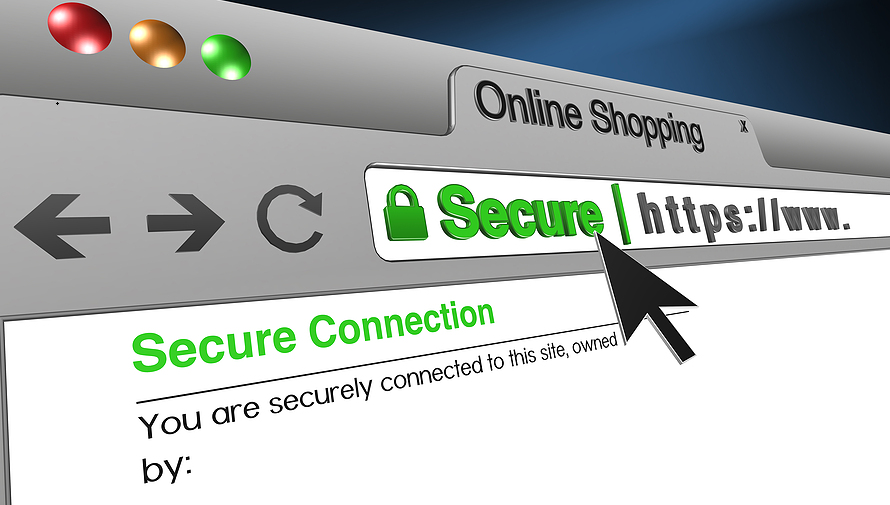
HTTPS is now a baseline expectation. It encrypts traffic between your visitors and your site so attackers cannot easily intercept logins, form submissions, or checkout details. Browsers also flag sites without valid certificates as “Not Secure,” which directly affects trust.
To use SSL/TLS correctly:
- Install valid certificates on all domains and subdomains that handle logins or sensitive data.
- Force HTTP to redirect to HTTPS and ensure every page, asset, and API call loads securely.
- Fix mixed‑content issues where secure pages load insecure scripts or images.
Managing certificates manually is error‑prone, especially across multiple sites or environments. Security experts recommend automating renewals and monitoring expiry to prevent outages or sudden “insecure” warnings for visitors. If your certificate management is still manual, explore automated SSL options from your hosting or domain provider to reduce human error.
Keep Software, Plugins, and Dependencies Patched and Under Control
Once your foundation is secure, the next big risk area is outdated software. Attackers routinely scan the internet for known vulnerabilities in popular CMSs, plugins, and libraries, then automatically exploit sites that have not yet patched.
Regularly Update Your CMS, Frameworks, and Plugins
Any time you delay updates, you are effectively leaving a known hole open for attackers. Industry research highlights patching and vulnerability management as core elements of modern cybersecurity programs.
Put the following on a clear patch schedule:
- CMS core (like WordPress, Drupal, or Joomla)
- Themes and plugins or extensions
- Application frameworks and language runtimes on your servers
Adopt a safe workflow:
- Maintain a staging environment where you can test updates without risking your live site.
- Apply security updates as quickly as possible, especially for critical vulnerabilities, while still following your change‑control process.
- Remove unused or abandoned themes and plugins rather than leaving them disabled; if they are present, they can usually still be targeted.
From a YMYL perspective, always ensure you have recent, tested backups before significant updates. That way, if something breaks, you can restore quickly without extended downtime.
Manage Third‑Party and Open‑Source Dependencies
Modern websites rely heavily on third‑party packages and scripts. These live in:
- Server‑side package managers such as npm, Composer, or pip
- Front‑end libraries loaded in the browser, like JavaScript frameworks and analytics tags
Even if your own code is well written, a vulnerable or compromised dependency can expose your site or your users.
Practical controls include:
- Using automated dependency scanning tools to flag known issues in your packages and libraries.
- Standardising on a small, vetted set of plugins and dependencies, avoiding unmaintained or poorly documented projects.
- For agencies and enterprises, maintaining an approved components list across all projects so you are not re‑evaluating risk from scratch every time.
Schedule a dependency and plugin review this month and remove anything outdated or no longer needed. It is a straightforward way to shrink your attack surface.
Harden Your Application: Input Validation, Sessions, and Admin Interfaces
Once your platform and dependencies are under control, shift focus to your own code and configuration. Many high‑profile breaches stem from basic application issues like unsafe input handling or exposed admin panels.
Validate and Sanitize All User Input
Attacks such as SQL injection, cross‑site scripting (XSS), and command injection rely on the application trusting user input too much. Security guidance consistently stresses input validation and output encoding as core secure‑coding practices.
Key practices for your development team:
- Use parameterised queries or prepared statements for all database operations, rather than manually concatenating strings.
- Encode output according to context: HTML, JavaScript, or URLs each need different handling to neutralise malicious input.
- Validate and sanitize all user input on the server side, regardless of any client‑side checks.
Protect Sessions and Lock Down Admin Areas
Even if authentication is strong, you must protect ongoing sessions and hide sensitive admin interfaces from casual discovery. Session hijacking or exposed dashboards often serve as shortcuts for attackers.
Strengthen sessions by:
- Setting Secure and HttpOnly flags on cookies that store session IDs. This helps protect them from theft via unsecured channels or malicious scripts.
- Configuring reasonable session timeouts, especially for admin areas and financial actions.
Reduce admin exposure by:
- Changing default admin URLs where your CMS or framework supports it.
- Restricting admin access by IP or VPN for internal teams where feasible.
- Requiring strong passwords plus 2FA for every admin or privileged account.
Also, disable file editing within the CMS dashboard where possible and configure robots and access controls so admin URLs are not indexed by search engines. Review your admin area today and lock it behind strong authentication with minimal exposure.
Make Website Security a Habit, Not a Project
Securing your website is not a one‑off project. It is an ongoing discipline built around controlling access, keeping software and dependencies current, hardening your code and admin areas, and being prepared to detect and respond when something goes wrong. With that mindset, “how to secure a website” becomes a manageable routine rather than a constant emergency.
You do not need a large, specialised security team to make meaningful progress. By implementing strong passwords and 2FA, enforcing HTTPS, patching regularly, and monitoring key signals, you cut the most common risks down to size and strengthen customer trust. And with BigRock, you can do all this and more. Get in touch today!