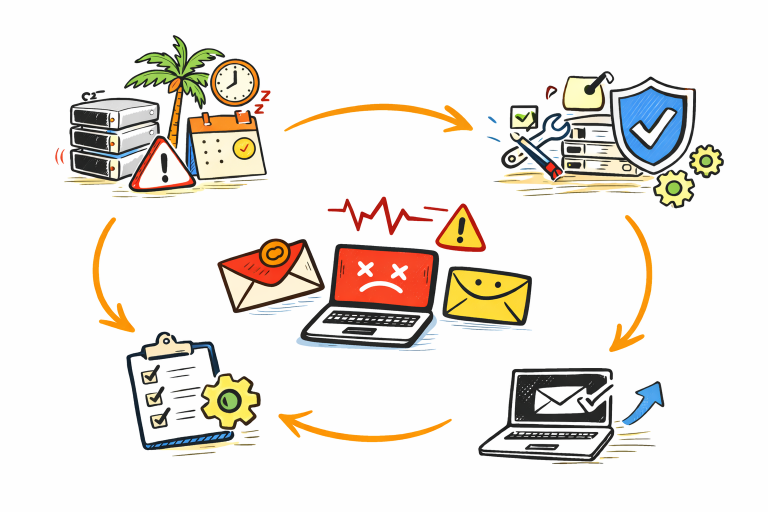
| Domain prices refer to the total cost of owning and maintaining a domain across its entire lifecycle, including registration, renewals, transfers, registry-level changes, and essential add-ons rather than just the first-year fee. This guide explains how to compare domain prices holistically so businesses can avoid renewal shocks, budget with confidence, and secure brand-critical domains with lower long-term risk. |
The campaign was finally getting traction when the renewal notice hit: your best-performing domain would cost triple this year and auto-renew in 48 hours.
Scrambling to find alternatives burns time, budgets, and sometimes the trust of clients who suddenly land on a 404. A similar nightmare unfolds when a “₹99 for the first year” promo lapses and the name you shortlisted vanishes overnight.
Both headaches trace back to one blind spot: focusing only on the headline domain price instead of the complete cost cycle: registration, renewal, transfer fees and add-ons. A simple, repeatable comparison process shields you from nasty surprises, lets you budget with confidence, and keeps critical digital assets safe.
Core Components To Compare When Evaluating Domain Price
A rock-bottom registration offer can still turn into the most expensive domain in your portfolio if renewal, transfer or registry fees balloon later.
Compare these components before you click “buy”:
Registration (First-Year) Price
Promotional first-year prices are common, but the fine print may reveal mandatory add-ons or limited-time conditions that raise the true entry cost. If you’re starting a project with bundled hosting, a low intro price can be reasonable; just note when the promo ends and what services are truly included.
Renewal Price
Renewal is usually the biggest slice of lifetime domain cost. Market guides note that renewals often jump 2–10× the promo rate and can auto-renew by default.
Prevent shocks by insisting on a comparison table that lists first-year and renewal side-by-side and by checking whether extras like privacy or DNS stay free at renewal. Build renewal pricing into your yearly budget from day one.
Transfer Fees And Restrictions
Transfers let you consolidate portfolios or chase better renewal rates, but fees, 60-day locks and hidden “administration” charges vary widely.
Before initiating a move, confirm the domain is unlocked, the auth code is available, and the gaining registrar won’t restart the lock period.
Registry/Registry-Level Surcharges
Registries, the bodies that operate TLDs, can raise wholesale prices, which registrars then pass on. Multiple registries have announced increases for January 2026. Treat TLDs with recent or upcoming hikes as higher risk and factor possible surcharges into multi-year budgets.
TLD Selection: Balancing Brand Fit with Long-Term Price Risk
Choosing a TLD is a branding decision, but some come with higher volatility. Established extensions like .com or .co.uk have long price histories, while newer gTLDs may lure you with low promos and then spike later.
Evaluate TLD Stability
Research the registry’s track record, any published price-change history, and community sentiment before committing.
For mission-critical names, a multi-year registration acts as a hedge: paying for two to five years now usually costs less than a single unplanned increase later.
When to Choose New gTLDs Or Country TLDs
Novel gTLDs (.design, .agency) can be perfect for campaign sites or niche products if branding impact outweighs price risk. Country codes are often great for local SEO.
For long-term flagship assets, however, the stability and global trust of an established TLD generally justify a slightly higher upfront fee.
Quick Action Steps For Critical Domains
- Register key domains for 2–5 years.
- Calendarise renewal dates and budget reviews six months in advance.
- Schedule an annual registry audit to catch announced price hikes early.
Bundles, Privacy, and Security: Which Add-Ons Affect Domain Price
Add-ons can protect your brand or just pad the bill. Knowing the difference keeps costs lean and your domain secure.
WHOIS Privacy And Data Protection
For SMEs and founders, exposing personal data can invite spam or legal risk. Some registrars include privacy for free; others bill annually. Verify whether privacy renews for free and whether the service masks both contact and technical details.
DNS Hosting, Email Forwarding, and SSL
Bundled DNS and email forwarding reduce setup time, which is handy for quick launches. Still, mixing hosting and ownership can cause vendor lock-in. Consider separating domain registration from your hosting stack if you want migration flexibility.
Security Features And Account Protections
Two-factor authentication, registrar lock and WHOIS monitoring usually cost little or nothing but drastically cut hijack risk. Enable them on all accounts and budget for any small annual fees they carry.
Renewal And Transfer Strategies To Minimise Unexpected Costs
Active management, not set-and-forget, is the secret to predictable domain spend.
Multi-Year Registration And Renewal Scheduling
Locking a domain for multiple years fixes the cost at today’s rate and avoids registry surprises mid-campaign. This is especially smart for brand-critical or SEO-strong names.
Portfolio Audit And Priority Tagging
Quarterly or semi-annual audits let you tag domains by revenue impact and TLD risk. Renew tier-one names early; examine tier-three names for potential drop or sale.
Transfer Timing And Cost Optimisation
If renewal quotes rise sharply, calculate the break-even between the transfer fee plus a one-year extension elsewhere versus staying put. A transfer often pays for itself within one renewal cycle.
Pricing Strategies For Sellers And Agencies Managing Domain Portfolios
Here are some proven approaches to price domains realistically while maximising returns:
- Identify Key Value Drivers: Domain length, keyword clarity, TLD strength, search demand, brandability, and ownership history all influence perceived and market value.
- Match Pricing to Intent: Use fixed “Buy Now” pricing for standard or lower-value domains to encourage faster sales and liquidity. Reserve negotiated pricing for premium, high-intent domains where buyers expect discussion.
- Avoid over-reliance on automated appraisals: Automated tools offer directional insight but often miss brand context, niche demand, or buyer urgency. Validate pricing with comparable sales and marketplace trends.
- Account for holding costs: Renewal fees, premium TLD pricing, and multi-year registrations should be factored into your minimum acceptable price to protect margins.
Turn Domain Pricing Into a Predictable Operating Expense
Treat domain price as an ongoing operating cost, not a one-off bargain. Demand full transparency on renewals, hedge against registry hikes with multi-year registrations, and pay only for add-ons that deliver real security or operational value.
At BigRock, you can view live registration and renewal pricing across popular TLDs, compare true first-year versus renewal costs, and lock in critical domains for multiple years from a single dashboard. Get in touch with us for more details!