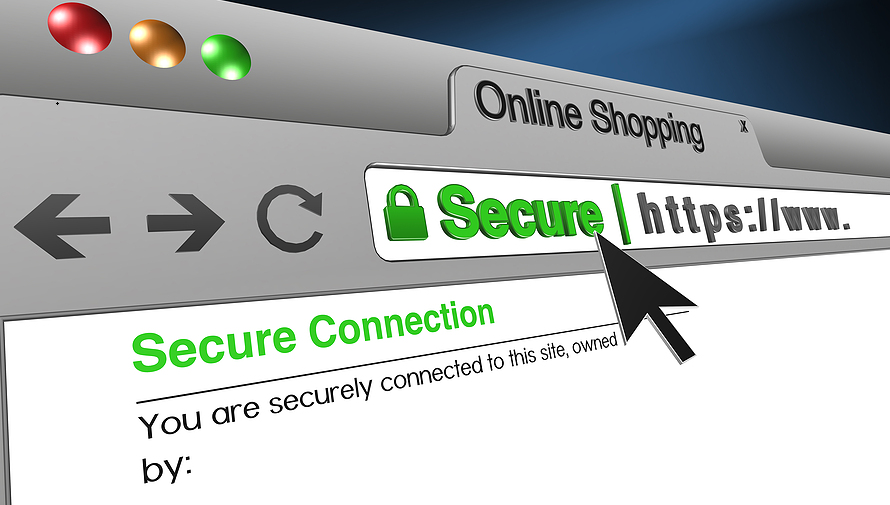
| Securing your domain name for business means protecting the identity of your website so visitors can feel confident without technical knowledge. A secure domain builds trust because it shows that your brand values protection, clarity, and responsibility. SSL encryption safeguards the information shared with your website. Domain privacy shields your personal or business details from public view, keeping your identity protected from misuse. |
Trust is now a deciding factor in how users interact with any digital brand.
According to the 2024 PwC India Voice of the Consumer Survey, 82% of Indian consumers consider the protection of personal data the single most important element in whether they trust a brand.
This expectation changes what a business must deliver. A domain name can no longer be just a digital address. It must carry signals of safety, transparency, and credibility the moment a visitor sees it.
In this blog, we explore how to secure your domain name for business through SSL, privacy protection, and consistent domain management. You will learn what each layer contributes, why it matters, and how to apply these protections with precision.
Understanding What Makes a Domain Secure
A domain becomes secure when it protects both the business and the user. SSL encryption creates a protected channel so information exchanged with your website cannot be intercepted. This covers everything from simple form submissions to sensitive customer data.
Visitors often do not know the technical process happening behind the scenes, but they recognise the visual cues that SSL provides. The presence of a secure connection builds confidence instantly.
Domain privacy protects the registrant’s information that appears in public records. With privacy enabled, the WHOIS directory reveals your personal or business details to anyone who searches for them.
This can lead to spam, unsolicited contact, impersonation attempts, and security risks that originate from public exposure. Privacy protection replaces your information with alternate contact details to keep your identity hidden without affecting your ownership rights.
Why Your Business Needs a Secure Domain Today?
Visitors judge trust faster than you think. A secure domain influences how they behave, how long they stay, and how they evaluate your brand.
Trust and Behaviour
A secure experience encourages visitors to engage more openly.
- SSL ensures that users’ information is protected in transit.
- Clear security signals reduce hesitation and encourage deeper browsing.
- A secure domain name for business creates confidence from the very first click.
Exposure and Impersonation Risks
Unprotected domain information creates unnecessary risk.
- Public contact details attract spam and misleading communication.
- Attackers may attempt to imitate your brand if they can access your registrant data.
- Privacy protection removes your personal details from public view and reduces the likelihood of impersonation.
Search Visibility and Performance
Search engines treat security as part of their ranking logic.
- SSL strengthens search performance by supporting safe browsing.
- Secure domains avoid warning messages that cause users to exit quickly.
- Search engines prefer sites that reflect long-term stability and safety.
Data Protection Expectations
Modern customers expect responsible data practices.
- SSL protects sensitive details such as login information and form submissions.
- Privacy protection aligns with global expectations for responsible data handling.
- A secure domain reinforces that your brand takes ownership of user safety.
| Pro Tip: Enable both SSL and privacy before your website becomes public. Early protection prevents your domain from ever appearing unsafe or unfinished to search engines or users. |
How to Secure Your Domain Name Effectively?
Securing your domain is not a one-time step. It is a sequence of decisions that strengthen the foundation of your digital presence.
Choose a Reliable Registrar
Your registrar determines the quality of your security controls.
- Select registrars that offer domain privacy for key extensions.
- Ensure the registrar provides dependable customer support.
- Review the security features included with your domain plan.
Activate SSL as Part of Your Core Setup
SSL must be present from the earliest stage of your website launch.
- Install SSL as soon as your domain is connected to your site.
- Ensure that all pages and resources load through a secure connection.
- Renew certificates on time to avoid trust warnings for visitors.
Configure Domain Settings with Care
Proper configuration strengthens your domain’s resilience.
- Review DNS records and remove outdated entries.
- Enable domain locking to prevent unwanted transfers.
- Keep administrative contact information accurate to receive alerts.
| Also Read: Predictive DNS Routing: Boost Website Speed & Uptime |
Strengthen Account Access
Your registrar account controls your entire digital identity.
- Use a strong password that is not used for any other service.
- Activate multi-factor authentication for an additional layer of safety.
- Restrict domain access to a very small number of trusted individuals.
| Pro Tip: Use a dedicated email for domain and hosting management. This keeps important messages visible and reduces your exposure to phishing attempts that target general business inboxes. |
Maintain Ongoing Domain Hygiene
A secure domain must be maintained over time.
- Verify that privacy remains active even after renewals or ownership changes.
- Monitor for variations of your domain to prevent misuse by imitators.
- Check your SSL regularly to ensure consistent, secure loading across your site.
Building Long-Term Domain Security
Domain security becomes more meaningful when it evolves alongside your business.
Team Awareness and Culture
The people managing your digital presence should understand its importance.
- Train your team on safe credential management.
- Encourage awareness of phishing behaviour and suspicious patterns.
- Document domain processes so responsibilities remain clear.
Consistency Across Platforms
Your domain is one part of a larger ecosystem of tools and platforms.
- Keep all website software updated to prevent vulnerabilities.
- Ensure third-party tools follow secure communication practices.
- Monitor integrations that use your domain to avoid indirect exposure.
Preparing for Growth
Security needs expand as your business grows.
- Strengthen SSL certificates if you begin handling sensitive data.
- Secure additional domain extensions to protect your expanding brand identity.
- Revisit your domain strategy periodically to stay aligned with your goals.
| Also Read: How to Renew an SSL Certificate For Your Website |
Build a Future-Ready Foundation with a Secure Domain
A secure domain name for business is more than a technical choice. It is an investment in credibility, trust, and long-term protection.
SSL keeps your visitor data safe. Domain privacy protects your identity. Consistent management keeps your digital presence strong. When these elements work together, your brand becomes a safe and dependable space for every visitor.
Strengthen your online identity with clarity and confidence, and secure your domain with trusted support through BigRock! We help you register your ideal domain and provide complete security tools, including SSL certificates, domain privacy, DNS management, and expert support to keep your digital foundation strong as your business grows.
Connect with us for more info!