| Digital trust signals are visual and technical cues that reassure website visitors of a site’s security and legitimacy. Implementing these signals, such as HTTPS, customer testimonials, and clear policies, across your website can increase conversions and build a reputable brand. By strategically placing and testing these signals, businesses can turn trust into a measurable driver of growth and sales. |
Modern buyers abandon websites the second they doubt security or authenticity. That single hesitation can sink marketing spend, slash conversion rates, and force support teams to handle avoidable “Is this legit?” emails. This practical guide shows small and medium enterprises, digital agencies, developers, and tech-savvy professionals how to prioritize, implement, and measure digital trust signals so users feel safe to click “Buy Now.”
You’ll learn which cues matter, where to place them, how to test their impact, and how to maintain governance—turning trust from a design afterthought into a measurable growth lever.
What are Digital Trust Signals?
Digital trust signals are the visual, technical, social, operational, and content cues that immediately reassure visitors that your site is secure, reputable, and worth their data or money. They appear across the customer journey—homepage, product pages, checkout, and support—and work as an interconnected system. No single badge is enough; layered signals collectively reduce perceived risk at every touchpoint.
Why Digital Trust Signals Matter — user intent and business goals
Visitors reach your site asking three silent questions: “Is this safe? Is it credible? Does it suit my needs?” If you answer quickly, they stay and convert; if not, they bounce. Digital trust signals tackle that intent by removing friction during onboarding, product evaluation, checkout, and post-purchase support. For businesses, the pay-off is tangible—higher lead volume, lower cart abandonment, fewer support tickets, and stronger perceived expertise, experience, authority, and trust (E-E-A-T) in search results.
The Five Essential Trust-signal Categories
Below are the core categories to build a holistic, testable trust strategy, plus common pitfalls to avoid.
1. Technical & security signals
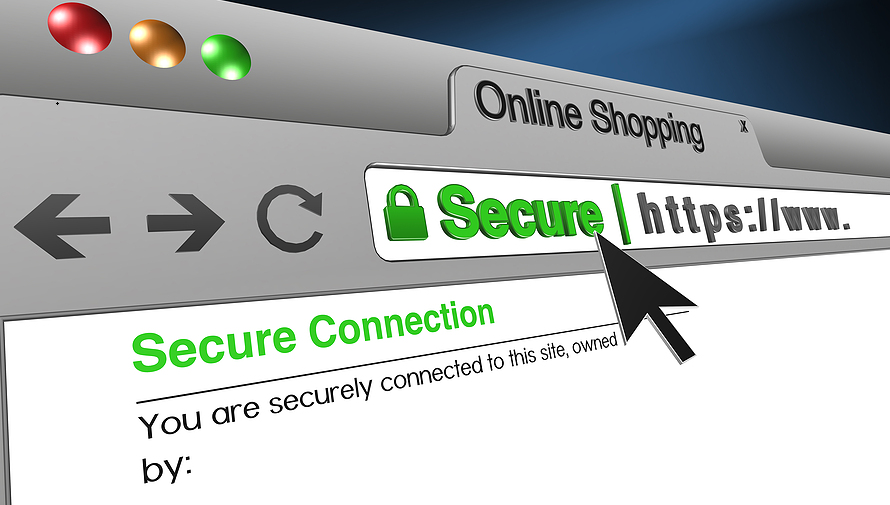
A valid TLS certificate, visible padlock, and clear “Secure checkout” labels form the non-negotiable trust baseline.
Implementation tips:
- Use HTTPS site-wide, including sub-domains, and redirect all HTTP traffic.
- Surface security cues near form fields and payment buttons.
- Fix any “Not secure” browser warnings immediately
Pitfalls: Decorative website trust badges without real encryption backfire because browsers override them with warnings.
Keywords woven: digital trust signals, add trust badges to website, website trust badges.
2. Social proof: customer testimonials and reviews
Humans trust peers more than brands. Star ratings, verified buyer reviews, video testimonials, and client logos prove real-world credibility.
Best practices:
- Mark reviews “Verified buyer” and date-stamps them.
- Pair short quotes with objection-handling (“Fast delivery,” “Great post-sale support”).
- For B2B pages, spotlight recognisable client logos or case studies.
Governance: Log permissions and avoid incentivised or fake feedback to comply with evolving regulations.
Keywords woven: customer testimonials and reviews, website trust badges, digital trust signals.
3. Visual design, UX & content credibility
Design is a trust signal in itself. Fast load times, mobile responsiveness, and clear navigation suggest professionalism, while deep, helpful content proves expertise
Action items:
- Compress images and leverage CDNs for speed.
- Use a clean visual hierarchy with ample white space; limit badge clutter.
- Offer thorough FAQs and how-tos that pre-empt questions.
4. Policy signals, guarantees & operational transparency
Clear shipping dates, no-quibble returns, warranty icons, and concise privacy notes reduce purchase anxiety. Place these next to CTAs and checkout summaries. Hidden fees or legal jargon erode confidence; keep copy plain and accessible.
5. Measurement, testing & governance
Trust isn’t “set and forget.” A/B test badge placement, track micro-conversions, and document review provenance to preserve authenticity and legal compliance. Treat every signal as an experiment, iterating based on data rather than assumptions.
Placing Trust Signals By Page and User Intent
Tailor signals to the visitor’s commitment level—lighter cues early, stronger assurances at the moment of payment.
Homepage
Feature brand credibility elements—client logos, one-line testimonials, and a visible HTTPS padlock—to overcome initial skepticism.
Product or service pages
Show verified star ratings, concise testimonials, key certifications, and shipping/return badges near the “Add to cart” or inquiry button to tackle product-specific doubts.
Checkout & payment flows
Keep the page distraction-free yet authoritative: security seals, payment icons, a brief privacy blurb (“We never store your card details”), and a return guarantee badge directly beside the “Pay now” button.
Support, contact & post-purchase pages
Offer multiple contact channels, response-time expectations, and extended testimonials or case studies to reassure users they’ll receive ongoing support.
| Also Read: What is SSL Certificate and What are its Benefits |
How To Measure and Iterate
Key metrics: overall conversion rate, checkout abandonment, time to first interaction, review submission rate, and landing-page bounce.
Experiment framework: Test one variable at a time (e.g., badge placement), segment results by new vs. returning users, and run experiments for statistically significant durations.
Tools: Web analytics, heatmaps, A/B testing suites, and post-purchase surveys provide both quantitative and qualitative insight. Record results, set rollback rules, and feed learnings into the next test cycle.
Governance, Authenticity, and Compliance
Fake reviews and misleading badges can trigger legal penalties and erode hard-won credibility. Create a reviews SOP that includes provenance checks, consent documentation, and timeliness labels such as “Verified buyer — March 2025”. Coordinate with legal teams when claiming “lifetime warranty” or using third-party seals. Assign an internal owner—often product or marketing—to audit certificates, refresh outdated testimonials, and track renewal dates.
Conclusion & Next Steps
Effective digital trust signals weave technical security, authentic social proof, polished UX, clear policies, and continuous measurement into one seamless experience. Start today: validate HTTPS, add a security or guarantee badge at checkout, publish two verified testimonials, and schedule your first A/B test. For a painless technical foundation—domain management, SSL certificates, and secure hosting—secure your domain with BigRock today.