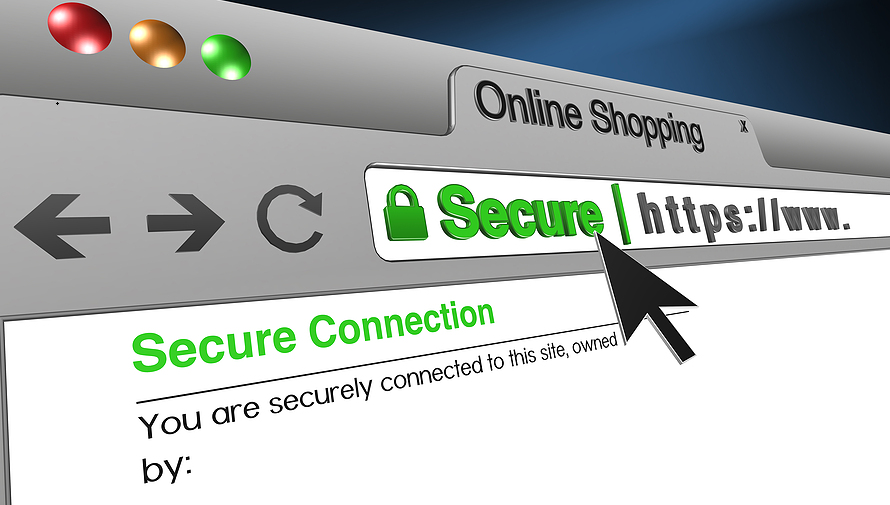
| Domain Security: Defines the set of protection mechanisms and best practices utilised to secure domain names against unauthorised access, transfer (hijacking), modification (e.g., DNS tampering), deletion, or expiration. It covers locking out the domain registrar account, using some security features like domain locking and WHOIS privacy, protecting the integrity of DNS records (possibly through DNSSEC), and having control over the life cycle of the domain, e.g., registration and renewal. |
Your domain name is more than an Internet address; it’s a valuable web asset, often at the centre of your brand and online reputation. Losing control of your domain to malicious attacks or negligent neglect can be disastrous in its impacts, ranging from site downtime and email disruption to absolute brand destruction and financial loss.
Implying strict domain security practices is therefore not an option, but an imperative for any site owner. Let us begin by defining what we mean by domain security.
Why Domain Security Matters?
Ignoring domain security may expose you to a variety of threats:
- Domain Hijacking: Hackers hijack your domain and can redirect your traffic to malicious sites, steal data, or extort a ransom.
- Website and Email Disruptions: Unauthorised modifications to your Domain Name System (DNS) options can bring down your website and email services.
- Brand Reputation Ruin: Loss of control can ruin your brand’s reputation and customer faith irreparably.
- Domain Theft: Inability to renew your domain in time can cause its expiration and possible acquisition by your competitors or cybersquatters.
- Phishing and Scam: The affected domains can be used to implement sophisticated phishing activities against your consumers or employees.
Pro Tip: Familiarise yourself with your responsibilities and rights as a registrant to ICANN’s Registrant Rights and Responsibilities webpage.
Essential Domain Security Measures
Protecting your domain requires a multi-layered approach. Here are the crucial steps every website owner should take:
Choose a Reputable Registrar
Your choice of domain registrar significantly impacts your domain security. Opt for an ICANN-accredited registrar known for:
- Strong security practices for customer accounts.
- Offering essential security features (discussed below).
- Reliable customer support.
| Also Read: Domain Verification: Why It’s Important and How to Do It with BigRock. |
Secure Your Registrar Account
This is arguably the most critical step. Your registrar account holds the keys to your domain.
- Use a Strong, Unusual Password: Do not use common words or easily guessed information. Mix upper and lower-case letters, numbers, and symbols. Consider using a password manager.
- Turn on Two-Factor Authentication (2FA): If your registrar supports 2FA (e.g., through SMS code or authenticator app), turn it on as soon as possible. This provides an important extra layer of security, requiring a second means of verification in addition to the password.
Turn on Domain Lock (Registrar/Registry Lock)
Most legit registrars, such as BigRock, provide a ‘Domain Lock’ option.
- What it Does: Stops unauthorised attempts to transfer your domain to another registrar or tweak vital settings such as nameservers without explicit unlocking through your account.
- Action: Login to your BigRock account and make sure the Domain Lock feature is switched on for all your domains.
Explore secure domain registration options with BigRock.
Use WHOIS Privacy Protection
When you register a domain, your contact details (name, address, email, phone number) are typically published in the public WHOIS database.
- The Risk: Exposed information can be harvested for spam, phishing attempts, and identity theft.
- The Solution: WHOIS Privacy Protection services replace your personal details with the details of a proxy service provided by the registrar. BigRock offers this service to help protect your personal information.
Learn more about WHOIS Privacy and how it helps protect your data.
Keep Contact Information Updated
Double-check the email address and phone number for your domain registration (Registrant, Admin, Tech contacts) are current and available.
- Significance: Registrars have this information available to send key notices about renewal reminders, security warnings, and transfer requests. Being unable to access this email can result in losing control over your domain.
Handle Domain Renewals with Caution
A mistake that people commonly make with ease is not renewing your domain by chance:
- Auto-Renewal: Auto-renewal will help avoid accidental expiration, assuming your payment details are current.
- Manual Renewal: In case you wish to use manual renewal, be extremely careful.
| Pro Tip: Even when using auto-renewal, place multiple calendar reminders to yourself 90 days prior to the end date. This protects against unexpected payment failures or skipped notifications. |
Install DNSSEC (Domain Name System Security Extensions)
DNSSEC inserts an additional authentication layer to your DNS records.
- What it Does: It employs digital signatures to confirm that DNS responses are legitimate and have not been tampered with (avoiding DNS cache poisoning or spoofing).
- Consideration: Although a bit more technical to implement, DNSSEC greatly strengthens domain security. See if your registrar and hosting company support DNSSEC. BigRock strives to deliver complete solutions, so ask support if necessary.
| Pro Tip: Learn more about DNSSEC from ICANN, the organisation that oversees the international domain name system. |
Regularly Monitor Your Domain
Don’t just ‘set and forget’ your domain settings. Periodically:
- Check your WHOIS information for accuracy.
- Verify your nameserver settings haven’t been changed without authorisation.
- Confirm the domain lock status.
| Also Read: How To Point a Domain Name to VPS Using A Records and Custom Nameservers |
Advanced Domain Security Considerations
For high-value domains or businesses with heightened security needs:
- Registry Lock: A stronger lock applied at the registry level (e.g., Verisign for .com). Changes require manual multi-factor authentication processes involving both the registrar and the registry.
- Brand Monitoring: Services exist to monitor new domain registrations that are confusingly similar to your brand, helping combat cybersquatting and phishing sites.
Conclusion
Good domain security is a foundation of a secure and trustworthy online identity. By selecting a credible registrar such as BigRock, locking your account using solid credentials and 2FA, activating Domain Lock, employing WHOIS Privacy, being diligent about renewals, and taking a look at DNSSEC, you significantly lower the threat level for domain-based threats.
Domain status monitoring on a regular basis offers a continuous check. These proactive steps are vital investments in protecting your digital identity and brand reputation.
Don’t leave your most valuable online asset vulnerable. Secure your online presence by registering or transferring your domain to BigRock today and take advantage of essential security features!