| Missing padlocks quickly erode user trust and stall conversions. Matching validation level, domain coverage and automation ensures encryption stays reliable while reducing renewal risks and operational overhead across growing websites and subdomains. |
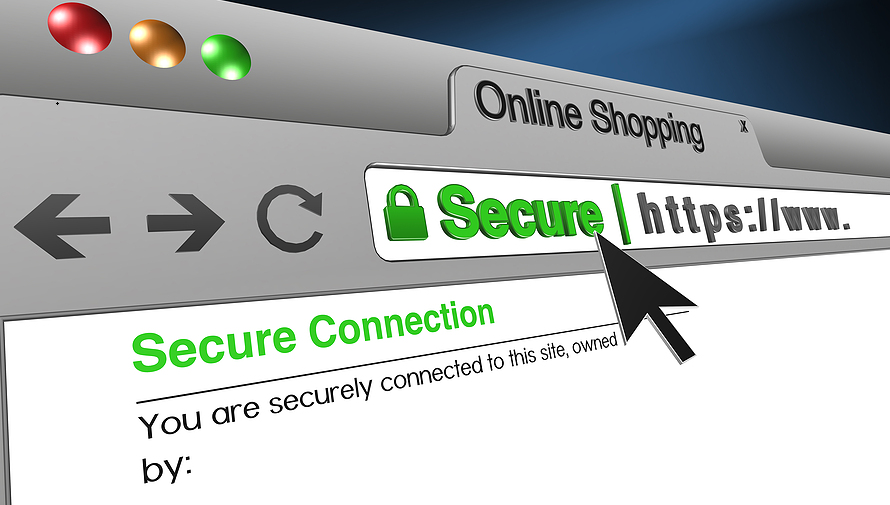
The checkout was ready, the ad campaign live, yet the customer still bounced. Their browser had flashed “Not secure”, and the padlock icon was missing. In that split-second, trust disappeared.
If your site is flagged, every form fill, payment and download is at risk. The right SSL certificate prevents this by encrypting traffic and proving your legitimacy to both browsers and humans.
This article unpacks the main SSL certificate types so that SMEs, agencies and tech teams can match assurance, domain coverage, and operational effort to real-world business needs.
Quick Decision Guide: Which SSL Certificate Type Suits Your Site?
Not sure where to start? Use this at-a-glance map.
- Low-risk brochure, blog or staging site → Domain-Validated (DV)
- Business website or user accounts → Organisation-Validated (OV)
- High-value transactions or finance portal → Extended Validation (EV)
- One domain with many subdomains → Wildcard
- Several distinct domains or brands → Multi-domain (SAN / UCC)
- Want zero manual renewals → Managed or platform TLS
Higher validation levels reassure users but take longer to issue; broader coverage certificates cut admin work but raise the blast radius if a key is compromised. Balance trust cues, coverage and operational capacity when choosing among SSL certificate types.
The List: SSL Certificate Types Explained
Below are the most common SSL certificate types, what they secure and practical decision points.
1. Domain-Validated (DV) SSL
DV certificates prove you control the domain – nothing more. Issuers validate via a DNS record or a quick HTTP file check, so approval often happens within minutes.
What it secures: One hostname or a single domain, depending on the product.
Best for: Blogs, marketing microsites, internal demos or temporary pages
Benefits: Lowest cost, rapid provisioning and easy automation through ACME clients such as Let’s Encrypt
Limitations: Offers no business identity assurance, making it unsuitable for high-stakes transactions. If you only need encryption and speed, this SSL certificate type is perfect, but customers will not see your company name in the cert details.
2. Organisation-Validated (OV) SSL
OV certificates validate both domain control and basic company identity. Certificate Authorities (CAs) check official documents, business registries or phone listings before issuance.
What it secures: The primary business site and log-in areas where users expect legitimacy signals
Best for: B2B sites, membership portals and pages collecting personal data
Benefits: Organisation information is stored in the certificate metadata, providing visitors with an additional layer of trust without the long wait of EV.
Limitations: Paperwork is required, so issuance can take a couple of days. Have the articles of incorporation and proof of address ready to expedite the process.
3. Extended Validation (EV) SSL
EV SSL involves the most rigorous vetting. The CA verifies legal, physical and operational existence plus the authority of the requester.
What it secures: Financial services, large e-commerce checkouts and high-profile portals.
Best for: Sites where maximum user trust is mission-critical or mandated by regulators.
Benefits: Strongest public signal of legitimacy, helping reduce phishing or fraud concerns in sensitive contexts.
Limitations: Longest issuance time and most documentation, with no extra encryption strength over DV or OV. Build the longer lead-time into your launch plan.
4. Single-Domain SSL
A single-domain certificate protects exactly one hostname, for example, www.example.com or example.com.
What it secures: One site and any redirects to the canonical host.
Best for: Small businesses maintaining only one public site.
Benefits: Minimal management overhead and typically the lowest per-certificate cost.
Limitations: Does not cover subdomains; if you spin up blog.example.com, you will need another certificate. Managing many single-domain SSLs quickly becomes unmanageable.
5. Wildcard SSL
Wildcard SSL certificates secure a domain and all first-level subdomains, such as *.example.com.
What it secures: Unlimited subdomains under a single domain.
Best for: Organisations running multiple subdomains like app, shop and blog on the same base domain.
Benefits: One certificate to manage, fewer renewals and simplified dev-ops pipelines.
Limitations: If the wildcard private key is exposed, every subdomain is at risk. Wildcards also do not cover second-level domains (example.net), and some CDNs restrict their use. Guard the private key with hardware security modules or tight access controls.
6. Multi-Domain/SAN/UCC SSL
Multi-domain certificates list several hostnames in the Subject Alternative Name (SAN) field.
What it secures: Multiple domains or hostnames, such as example.com, example.org and shop.example.net.
Best for: Agencies, multi-brand companies or unified-communications servers hosting several domains.
Benefits: Centralised management and potential cost savings versus dozens of single-domain certificates.
Limitations: Adding or removing hostnames often triggers a reissue, so plan growth carefully. Map future domains now to reduce unexpected downtime later.
How to Choose: Practical Decision Criteria
Choosing among SSL certificate types is easier when you break the process into six clear steps.
- Define business risk and user expectations: Is the site purely informational, or does it process log-ins, payments or regulated data?
- Map domain coverage needs: Single site, many subdomains or different brands? The answer points to single-domain, wildcard or SAN certificates.
- Match validation level to trust requirement: DV handles encryption only, OV or EV add visible identity assurance for customer-facing platforms.
- Calculate operational capacity: Can you automate renewals and deployments through ACME clients, APIs or CI/CD pipelines?
- Consider platform capabilities: Your host, CDN or SaaS may already provide managed TLS – buying extra certificates could be redundant.
- Budget and timing: Need the site live tomorrow? DV issues fastest. Have weeks before launch and require maximum trust? Budget time for OV or EV vetting.
A quick rule of thumb: when in doubt, encrypt everything with DV today, then upgrade to OV or EV as trust requirements increase and paperwork is completed.
Certificate Lifecycle: Renewals, Shorter Lifetimes and Automation
Certificate validity periods continue to shrink as industry policies tighten. More frequent renewals mean more chances for something to slip through the cracks.
Actionable tips:
- Automate issuance and renewal with ACME protocols or vendor APIs wherever possible.
- Monitor expiry centrally and alert teams well before deadlines.
- Prefer platform-managed TLS if your team lacks dedicated ops resources.
- Document key procedures and rotate private keys on schedule.
Manual renewals invite outages that break user trust. Treat certificates like any other piece of infrastructure code – automate early and test often.
| Pro Tip: Before buying certificates, audit whether your host, CDN or SaaS platform already offers managed TLS. You might avoid additional purchases altogether and simplify renewals. |
Implementation Tips and Common Pitfalls
- Always install the full certificate chain, including intermediates, to prevent browser warnings.
- Choose DNS validation for automation-friendly renewals when your provider supports it.
- Restrict access to wildcard private keys. One leak can compromise every subdomain.
- Plan SAN lists and wildcard use carefully to avoid frequent reissues.
- Confirm compatibility with your load balancer or CDN. Some require specific certificate formats.
Pick the Right One and Automate Renewals
Selecting the right SSL certificate is a balance of trust signals, domain coverage and operational bandwidth.
Use DV to lock down low-risk pages fast, step up to OV or EV where customer confidence or regulatory scrutiny demands stronger identity checks, and deploy wildcard or SAN certificates when you juggle many hostnames.
Whatever you choose, automate renewals to eliminate expiry surprises and keep that padlock green.
Need a straightforward way to provision, renew and manage your certificates? BigRock offers managed SSL options that let you focus on building, not babysitting expiry dates – run a quick SSL audit with them today and secure every click.
Connect with us for more details!