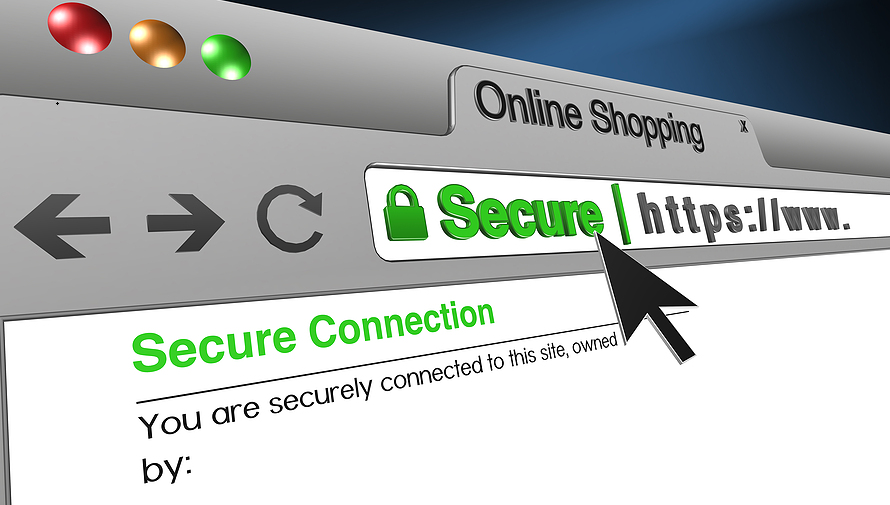
| An EV SSL certificate refers to an extended validation SSL certificate that verifies and embeds the legally registered, real-world identity of the organisation behind a domain, enabling users and automated systems to trust high-risk pages such as checkouts, logins, and regulated portals. |
Customers start abandoning their baskets the moment a counterfeit checkout page begins circulating on social media.
Support lines jam, refunds pile up, and the finance team scrambles to explain missing revenue. Incidents like this often trace back to brand impersonation: criminals clone your site, lure users in, and harvest card details before anyone notices.
Extended Validation (EV) SSL certificates exist to make that scam far harder. Unlike basic certificates that only encrypt traffic, EV SSLs verify and publicly vouch for the legal entity behind a domain.
This guide explains exactly what an EV SSL certificate is, how validation works, the benefits and trade-offs, and the practical steps to decide whether your organisation should invest in one.
What Is an EV SSL Certificate: Key Features
EV SSL certificates provide the highest level of identity assurance available from public Certificate Authorities (CAs). They differ from other certificate types in both validation depth and embedded information.
- EV: Rigorous, manual verification of your registered business name, jurisdiction, physical address and authorised contacts before issuance
- OV (Organisation Validation): Confirms the organisation, but with fewer documentary checks
- DV (Domain Validation): Fully automated confirmation that you control the domain; no organisational vetting
Purpose: to reduce phishing and impersonation by letting any relying party, human or machine, confirm the site’s operator is a legitimate, verified business.
Inside an EV certificate, you will find:
- The organisation’s full legal name.
- The jurisdiction of incorporation (e.g., “Registered in England and Wales”).
- The validated business address and company number.
Browsers and automated systems can still read this identity data even if modern UIs no longer highlight it boldly, meaning compliance tools, payment gateways, and audits still benefit from stronger verification.
How EV Validation Works: The Verification Process
Obtaining an EV SSL involves several clearly defined steps with your chosen CA.
- Pre-order readiness: Gather company registration documents, proof of address, and evidence that you are authorised to request certificates on the organisation’s behalf
- Domain control checks: Demonstrate ownership of each hostname via DNS, an HTTP challenge, or an email challenge.
- Corporate vetting: The CA cross-checks government and third-party registries to confirm your legal existence and calls the named signatory to verify intent
- Certificate issuance and deployment: Generate a Certificate Signing Request (CSR), keep the private key secure, install the certificate, and perform live tests.
- Renewal cadence: Re-verification is required at every renewal (typically annually) to keep the EV status current and trustworthy
Expect the process to take several days rather than minutes. CAs offer both single-domain and multi-domain (SAN) EV certificates so you can cover login.example.com, pay.example.com, and more under one validation cycle.
Business Benefits And Best Use Cases For EV
EV’s core benefit is third-party proof of organisational identity, making phishing and clone sites easier to spot and harder to pull off.
- Finance & Fintech: Fraudsters target payment pages; EV establishes a verified company identity, bolstering user confidence during high-value transactions
- Large E-commerce & Marketplaces: Checkout abandonment often correlates with trust. Displaying the company’s validated name in certificate details can reassure shoppers and reduce support queries about legitimacy
- Regulated Industries: Legal, healthcare and government portals frequently require audit-grade assurance that users are talking to the right entity; EV helps satisfy compliance obligations
- Enterprise SaaS & B2B Platforms: Onboarding, billing, and admin dashboards often hold sensitive data. Verified identity supports procurement teams’ due diligence processes
- High-Profile Brands: Companies in the public spotlight face targeted impersonation campaigns. EV adds a hurdle that attackers struggle to clear quickly
Trade-Offs, Limitations, and Alternatives
Every security control has downsides; EV is no exception.
- Cost & Time: EV certificates are more expensive and take longer to issue because of manual vetting
- Browser Visibility Changes: Most major browsers have minimised the old “green bar”, so users must click the padlock to view identity details
- Mobile & Legacy Compatibility: Behaviour varies across devices; always test staging builds on common mobile OS versions.
- Operational Complexity: Large domain portfolios increase renewal workload; consider certificate management tooling
Alternatives and hybrid strategies:
- Use DV for blanket encryption and deploy EV only on high-value subdomains.
- Combine OV certificates with prominent UX trust cues when the full EV cost is unjustified.
Decision checklist:
- Are you a likely impersonation target?
- Do you process high-value payments or regulated data?
- Will the administrative overhead pay back through reduced fraud and compliance peace of mind?
EV strengthens trust, but it is not a silver bullet; align it with other reputation and user-experience measures.
Implementing EV SSL: Practical Steps and Maintenance
Rolling out EV SSL is a repeatable project when handled methodically.
Pre-implementation Checklist
- Audit all hostnames and rank them by transaction value and risk.
- Collect incorporation certificates, proof of address and board authorisations.
- Decide between single-domain or multi-domain EV based on architecture.
Choosing a Certificate Authority
- Compare validation workflow speed, support quality, and SLAs.
- Investigate managed services or automation APIs to streamline renewal [6].
Technical Deployment
- Generate CSRs on secure hosts; protect private keys in an HSM or encrypted store.
- Deploy to staging, run SSL Labs tests, and verify on popular mobile browsers.
Renewal & Monitoring
- Set calendar alerts 60 and 30 days before expiry; automate renewal where possible.
- Watch Certificate Transparency logs for unexpected certificates on your domains.
Operational Governance
- Assign clear ownership of the certificate lifecycle.
- Update incident runbooks: key compromise, revocation, rapid reissue.
Implementation Pitfalls to Avoid
- Relying solely on EV for trust. Users also judge site design, policies and reviews.
- Skipping mobile or legacy browser tests.
- Neglecting to automate renewals, leading to expired certificates and downtime.
If handing this workload to a specialist appeals, engage a managed certificate provider to oversee validation, issuance, and renewals end-to-end.
| Pro Tip: Apply EV only to the subdomains with the highest transaction value, such as payments or login, and reinforce them with visible trust badges and responsive support for a maximum credibility boost. |
Evaluate Your Risk, Then Choose the Right SSL Strategy
An EV SSL certificate gives your business the strongest publicly verifiable proof of identity available, making clone sites easier to spot and deterring phishing where it matters most: checkout flows, account logins, and regulated portals.
If brand impersonation keeps you up at night or you process sensitive financial data, the extra cost and paperwork can be a smart investment. For lower-risk sites, a well-implemented OV or DV certificate, along with excellent user experience design, may suffice.
Ready to see where EV fits? Book a free readiness check, arrange a quick consult, compare EV SSL plans, or request a tailored quote from BigRock, your next step towards a layered trust strategy. Get started now!