| Business domain names are unique web identifiers that represent a company’s digital identity, combining brand recognition, technical accessibility, and legal ownership to ensure a reliable online presence. |
The launch was flawless until customers tried to type the URL printed on flyers and adverts. Some added a hyphen, others mixed up numbers, and many landed on a parked page owned by somebody else. Traffic bled away, word of mouth stalled, and the marketing budget delivered little return.
All because the domain name was confusing, hard to spell, and already half-claimed. If that nightmare feels familiar, this guide will help. You’ll learn a clear, step-by-step method for shortlisting, testing, registering, and protecting business domain names that boost recognition, reduce friction, and safeguard long-term brand value.
Why the Right Domain Matters
A domain is more than a web address; it is shorthand for your brand in every email, ad, and conversation. The right choice improves discoverability, builds instant trust, and amplifies word-of-mouth referrals.
A brandable name usually outperforms a generic keyword domain because it is unique, legally protectable, and flexible as the business evolves.
To judge any candidate, focus on memorability, pronounceability, legal safety, TLD fit, and ease of management. Treat domains as digital assets—plan renewals and defensive registrations from day one.
Core Naming Rules: Brandability, Simplicity, and Pronunciation
A memorable domain is rarely an accident. Apply these rules to each idea on your shortlist.
- Short and Simple: Aim for 8–15 characters. The fewer letters, the fewer typos, and the easier it is for customers to recall after seeing a billboard or hearing a podcast.
- Easy to Say and Spell: Use the “phone test”: read the domain aloud once. If the listener can repeat and spell it correctly, you’re on the right track. Radio spots and voice assistants still rely on clear pronunciation.
- Avoid Hyphens, Numbers, and Odd Spellings: Hyphens and numerals add friction and confusion; unconventional spellings force you to repeat, “That’s with a ‘z’, not an ‘s’,” in every meeting.
- Brandable, Overly Descriptive: Distinctive names such as “Stripe” or “Monzo” build equity and trademark protection. Descriptive keyword domains can feel generic and are harder to defend.
- Compound and Neologism Strategies: Combine short real words (“PayPal”) or coin a pronounceable neologism (“Spotify”). Test for clarity, not cleverness.
- Pronunciation & Linguistic Cross-Checks: Search meanings in your key markets to avoid accidental slang or negative connotations.
Quick Tests To Vet Name Candidates
Run each idea through three lightning checks:
- Phone-read test
- Five-second recall test
- Spell-aloud test
Keep candidates who pass at least two; discard any who fail all.
| Pro Tip: Record a one-minute voice memo pronouncing each option, then play it to a colleague who has never seen the list. Their immediate reaction will expose silent letters, homophones, and hidden confusion. |
Choosing The Right TLD: Credibility Versus Opportunity
The extension after the dot signals credibility, reach, and sometimes industry.
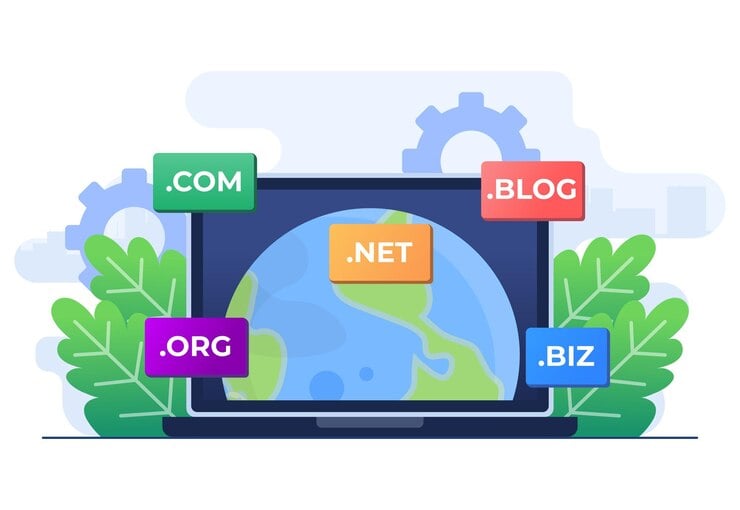
A .com remains the global default, lowering friction for international or high-trust sectors. Set non-.com options can add meaning or local trust:
- Country-code TLDs (ccTLDs) build relevance for local businesses (e.g., .co.uk for UK audiences).
- New gTLDs such as .tech or .studio unlock brandable phrases when the .com is taken.
Budget and marketing effort matter: educating users to type a novel TLD may require extra ad spend.
TLD Ownership And Customer Expectations
Most users still default to .com in speech, so secure the .com whenever feasible—even if you redirect it to the main .store or .app site. Similarly, register common misspellings to stop traffic leakage.
Legal Checks And Domain History: Avoid Hidden Risks
Before you fall in love with a name, protect yourself.
- Trademark Searches: Check national and international databases. Borderline cases warrant professional IP counsel
- Domain History & Reputation: Use WHOIS and archive lookup tools to spot previous owners, spam listings or search-engine penalties
- Cybersquatting and Conflicts: Be aware of dispute-resolution policies; litigation is slower and more costly than preventive measures.
- Ownership Clarity: Always register in the organisation’s name, not a personal or agency account. Insist on written handover clauses in vendor contracts.
Secure, Register And Manage: Practical Steps And Tools
Think of domains as assets that need governance, not a one-off purchase. Follow this workflow.
Registrar And Account Best Practices
Choose a reputable registrar that offers domain locking, two-factor authentication, automatic renewals, and intuitive DNS control. Use an organisational email address, set role-based access, and securely record recovery codes.
Immediate Steps After Purchase
- Point DNS records (A, CNAME, MX) to the correct servers.
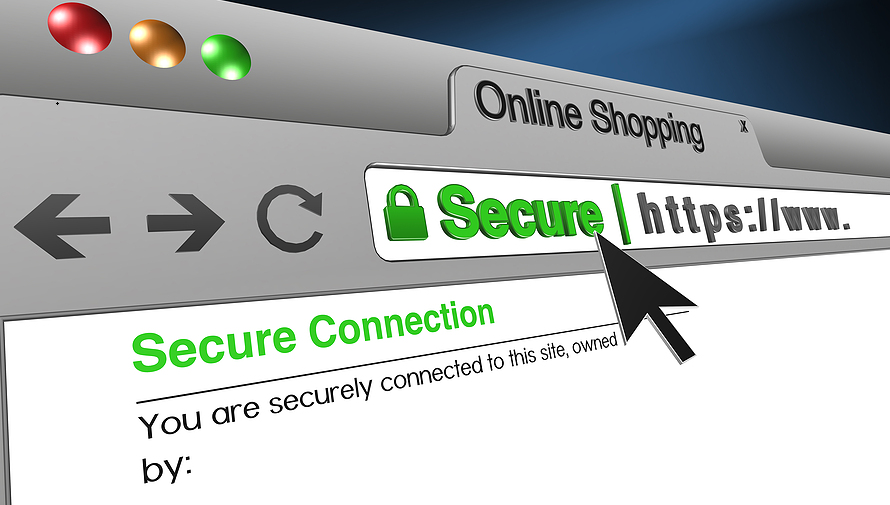
- Install an SSL/TLS certificate for HTTPS.
- Enable domain lock, two-factor login, and auto-renew with backup payment details.
- Redirect key variants and misspellings to the primary site.
Portfolio Management And Long-Term Governance
Set a naming policy and annual renewal budget. Assign an owner to each domain, monitor expirations, and decide whether to buy defensive variants or pursue premium acquisitions as the brand grows.
Tools And Workflows
Use:
- Domain search platforms
- WHOIS/history checkers
- Trademark databases
- Registrar dashboards and alert systems
Workflow: brainstorm → availability & history check → trademark search → register primary + variants → configure DNS & security → document ownership.
Security note: keep contact details up to date and file transfer authorisations in place to avoid future lockouts.
Decision Workflow: From Ideas To Go/No-Go
Follow these six steps to move from brainstorm to live site:
- Shortlist 5–10 names using the brandability rules.
- Run the phone, spell, and recall tests.
- Check TLD availability (.com first if global).
- Conduct trademark and domain history searches.
- Register the primary domain and 2–3 strategic variants.
- Configure DNS, HTTPS, and auto-renewal; file ownership records.
Escalate to legal counsel for any trademark doubts or if a premium buyback exceeds budget.
Pick the Right Business Domain Names For Long-Term Brand Value
The best business domain names are short, memorable, and unmistakably yours. They pass the phone test, pair with a strategic TLD, and clear every legal and history check. Secure registration, robust security, and disciplined renewals then turn that name into a protected asset that compounds brand trust over time.
Ready to lock in your perfect domain? Run an availability search, secure the name and key variants, and set automated renewals today. Need a quick way to compare TLD options and register in minutes? Check availability with BigRock and give your brand the online identity it deserves.