Home » Products » Hosting » Backup Strategies in Web Hosting: How to Protect Your Website and Domain from Data Loss
| Backup strategies in web hosting involve developing and managing copies of the website and domain data to protect against accidental data loss or corruption. Discover the key backup strategies in web hosting, including automation, encryption, and regular testing of backups. |
A well-maintained website serves as a backbone for online businesses, making it important for owners to safeguard it from data loss. But data suggests that out of 7M websites, an average website faces an overwhelming 94 cyberattacks every single day. So, how do you safeguard your online presence?
The answer is: Robust backup strategies in web hosting. Backups are crucial when creating a website, as they protect against potential security breaches or human errors that could result in data loss. Let’s explore the importance of website backups, along with ways to effectively protect your website and domain in the event of unforeseen events, such as cyberattacks or sudden data loss.
What Is Website and Domain Name Security?
Website or domain security refers to the practice of leveraging various protective security measures and controls to help you protect your website or domain against harmful cyber threats and data loss.
A robust security approach to protect websites and domains needs to be comprehensive and well-executed. It should cover various aspects, such as backup strategies, DNS security, email authentication, domain monitoring, and more. It helps prevent hackers and data thieves from gaining unauthorised access to your company domain, which can lead to data loss.
| Read More: What Is the Domain Name System and Types of Domain Name System |
Best Practices to Secure a Website and Domain Name
Safeguarding your website and domain includes implementing a comprehensive backup strategy with automated backups, multiple storage locations, and robust security measures. Some of these are discussed in more detail below:
1. Employ Essential Backup Strategies
These include:
- Automated Backups
Ensure to schedule regular backups based on the frequency of changes in your website content. Also, automate the process to minimise manual effort and ensure consistency.
| Pro Tip: Always ensure that your host offers frequent backups or set up your own additional backup strategy. |
- 3-2-1 Backup Rule
This is a popular backup approach that involves maintaining three copies of your data on different storage media. In this method, one copy of the data is stored off-site (e.g., in a separate geographic location).
- Regular Testing
Make sure to periodically test your backups by restoring them to a staging environment. This helps ensure high data integrity and seamless website functionality.
- Encryption
Encrypt all your backup data to protect it from unauthorised access and potential security breaches.
2. Pick a Reliable Domain Registrar
Domain registrars are the organisations that handle domain name registrations and map them to their respective IP addresses. But it is important to keep in mind that not all domain registrars are the same. This makes it crucial to opt for a domain registrar with a decent reputation that prioritises security and has all the resources in place to facilitate domain name security.
| Pro Tip: Check for backup size limits, as some hosting plans may limit the size of backups or the amount of storage available. |
3. Enable an SSL Certificate
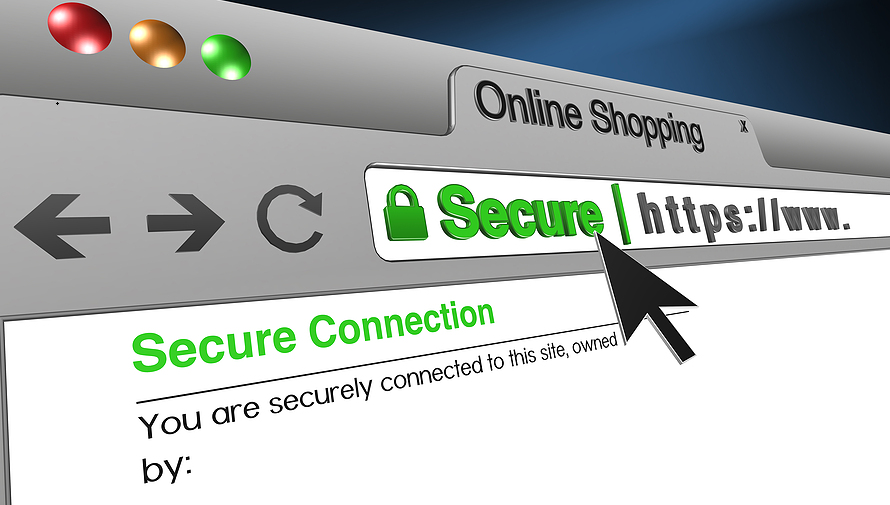
A Secure Sockets Layer (SSL) certificate enables your website to send data using an encryption protocol, HTTPS. HTTPS helps protect visitors’ data during instances of data compromises. An SSL certificate is essentially a data file that’s hosted on the origin server of a website.
It contains multiple information such as:
- The domain name for which the SSL certificate was issued
- The person or organisation that issued the certificate
- The person or organisation to whom the certificate was issued
- Issue and expiration date of the SSL certificate
- Public key to encrypt and decrypt data shared between the website’s server and incoming traffic
SSL also prevents hackers from building a fake version of your website and verifies the ownership of the website. Most domain registrars give you the option to purchase an SSL certificate directly from them in an attempt to make domain name security easier to manage.
| Read More: Protecting Your Identity Online: The Importance of Domain Privacy |
4. Use Two-factor Authentication
Setting up two-factor authentication (2FA) for the most important online accounts is another excellent way to protect your website and data. 2FA involves entering a password along with an additional way to verify your identity. This can be:
- A text with a code sent to your registered mobile number
- An email with a special authorisation code
- A code from a third-party app
As soon as you set up 2FA for your domain registrar’s account, no one can gain access to your email without putting in the special authorisation code.
5. Enable Privacy Protection
Whenever you register a domain name, some of your contact information becomes visible online. To prevent this, an increasing number of domain registrars today offer a strong automatic privacy protection method for your domain, known as WHOIS privacy.
WHOIS privacy works by masking this information, making it publicly inaccessible. The service is available for free with some domain registrars, while others charge a small fee for domain protection on top of the domain registration cost.
The Bottom Line
Thorough backup strategies in web hosting play a critical role in safeguarding your website and domain from data loss. By implementing the strategies shared above and following a strict data-driven culture, you can ensure that you create a strong barrier against data loss.
BigRock is a well-known name with tailored solutions to help you strengthen your website and domain data protection. Our expertise and cutting-edge product offerings ensure that your data remains secure, fully accessible, and resilient against any harmful cyberthreat. To know more about our data protection strategy and to explore solutions that fit your needs, visit BigRock now!