| POP3 (Post Office Protocol version 3) is a protocol used to retrieve emails from a remote server to a local client, typically deleting them from the server after download. IMAP (Internet Message Access Protocol) synchronises emails across multiple devices by storing messages on the server, allowing for real-time access and management. Both of these protocols depend on encryption techniques such as SSL/TLS to protect data exchange between the client and server. |
Email is the backbone of today’s communication, but we take its disadvantages for granted because it is so convenient. Your data goes from devices and servers through protocols such as POP3 and IMAP each time you access your mail folder.
It leaves personal data open to snooping eyes if it does not have a solid foundation.
The integrity of the protocols that transport your emails is equally vital in ensuring strong email security as the setting of a strong password. This means it is important to choose a secure hosting provider that balances enterprise-level security, reliability, and cost.
POP3 and IMAP’s Role in Email Communication
Knowing how these protocols work is important before jumping into security. Since POP3 downloads emails and deletes them from the server, it’s best for those who want to store all their emails on one device.
IMAP is best used with multiple devices because it leaves emails on the server and synchronises actions like read/unread status on multiple devices. They are each primarily reliant on how they are hosted and set up, even though they are both being utilised for distinct purposes.
Unsecured implementations of POP3 and IMAP can expose your emails to interception, unauthorised access, and data breaches. This is where secure hosting becomes paramount.
| Also Read: Why Branded Emails Are More Important Than Ever for Business Identity and Trust |
Why Secure Hosting Matters for POP3 and IMAP
Understanding the function of POP3 and IMAP is one thing, but grasping the security risks of an unguarded connection is another. These protocols are the workhorses of email retrieval, but in their standard form, they transmit data like an open book.
Secure hosting acts as the armour, encrypting this data and fortifying it against the myriad of threats that exist online. Let’s break down the key reasons why your choice of host is the most important factor in your email safety strategy.
1. Encryption: The First Line of Defence
If encryption isn’t applied, communication between the mail program (such as Outlook or Thunderbird) and the server is transmitted as plain text and can be easily intercepted by Internet criminals.
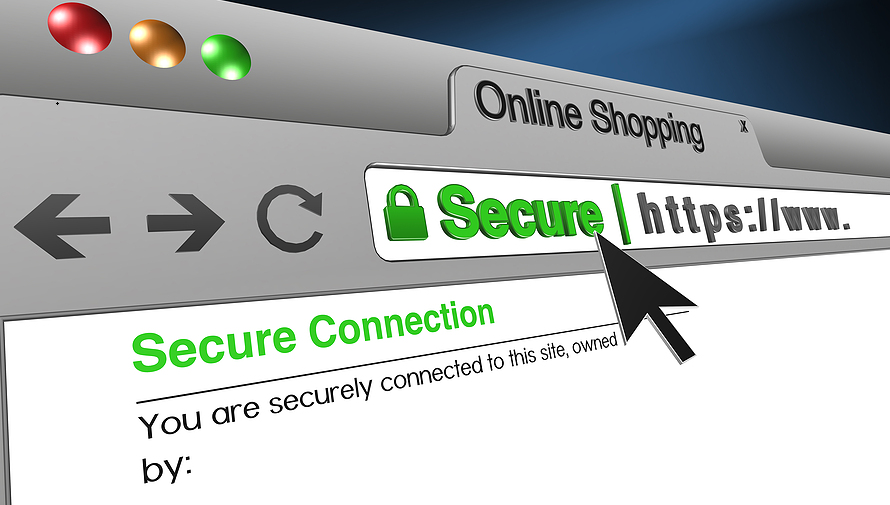
Secure hosting employs SSL/TLS encryption for a safe pipe for data transfer. In the case of POP3 and IMAP, it implies that one employs ports such as 995 (POP3S) and 993 (IMAPS) rather than their non-encrypted equivalents (110 and 143).
2. Protection Against Unauthorised Access
Weaker authentication protocols can open your inbox to brute-force attacks. Reputed hosting companies use efficient authentication protocols like SASL (Simple Authentication and Security Layer) and OAuth for user authentication.
In addition, features like two-factor authentication (2FA) offer a further level of protection.
3. Server-Side Security Measures
A secure hosting provider doesn’t just encrypt data; it also fortifies the server itself. This includes:
- Regular security patches to address vulnerabilities.
- Network firewalls to block malicious traffic.
- Intrusion detection systems (IDS) to monitor for suspicious activity.
- Spam and malware filters to prevent phishing attacks and malicious emails from reaching your inbox.
| Pro Tip: BigRock’s infrastructure is designed with these layers of protection, ensuring your emails are hosted in a resilient environment. |
4. Data Integrity and Backup Solutions
Email safety also means not letting the bad guys in, as well as having data that’s available. Trustworthy hosting sites provide redundant storage and automatic backups to help safeguard against losing data from hardware failure or accidental wipe.
The Dangers of Insecure POP3 and IMAP Configurations
Breaking best practices for securing POP3 and IMAP has very serious deleterious consequences:
- Eavesdropping: Spammers and hackers are able to sniff e-mails that have sensitive information like passwords or monetary data.
- Data Theft: Unencrypted servers are vulnerable to data scraping.
- Reputational Damage: An infected email account can also be used for spam or phishing attacks mailed out to your family and friends.
They stress the importance of choosing a hosting provider that is serious about security.
| Also Read: Boost Email Authenticity to Prevent Spoofing and Spam |
Secure Use of POP3 and IMAP Best Practices
Even the best-secured hosting platform will not escape bad user behavior. Security is a shared responsibility of the provider and user. By adopting some or a combination of good habits, one can develop multi-layered defense for email communication.
While one’s hosting provider does its share, there’s also a user responsibility to form safe habits:
- You should always turn SSL/TLS on for email program preferences.
- Strong, distinctive passwords and use of 2FA when it is an option.
- Never use email through a public internet connection without a VPN.
- Regularly update your e-mail program to plug security holes.
Secure Your Email Today with POP3 and IMAP Hosting
Secured POP3 and IMAP hosting is more than a technical requirement; it’s a basic feature of e-mail security. From encryption to server hardening, each level of protection works towards safeguarding your personal communication. BigRock integrates strong security features with affordability and world-class customer support so that your e-mails remain secure and recoverable from any device.
Don’t take your email security for granted. Find out about BigRock’s email hosting services today and protect your online communications with a company you can rely on.