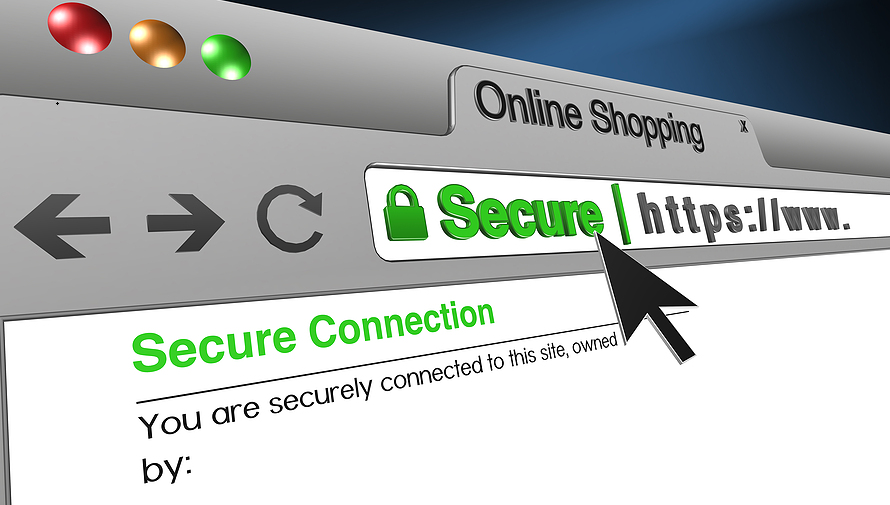
| A hyphenated domain name is a URL that has one or more hyphens (-) inserted to divide words in the domain string (e.g., https://www.google.com/search?q=my-website-name.com). This differs from non-hyphenated or keyword-packed domains, which aim to improve readability and keyword distinction, particularly when exact-match domains are not feasible. |
Over many years, controversy surrounding the use of hyphens in domain names has fueled considerable debate in the SEO community and among webmasters.
Although some view them as problematic, citing potential SEO disadvantages and user experience issues, others believe their impact is negligible when used correctly. This article explores the reality of a domain name with hyphen SEO and whether a dash in domain name SEO really hurts your search engine rankings.
The Hyphen Debate: Then and Now
In the past, hyphens have been heavily utilised in domain names for easier readability and for clearly distinguishing keywords, particularly when exact-match domains were highly sought after for search engine optimisation.
The idea was that best-coffee-shop.com would positively indicate content to both search engines and end-users. Nevertheless, search engine algorithms, especially Google’s, have evolved much more sophisticatedly over time.
Contemporary search engines are capable of interpreting natural language and keyword proximity, even within concatenated strings. This has created such a trend that many have pondered the ongoing use and the potential disadvantages of hyphens.
Readability and User Experience (UX)
One of the major arguments against the utilisation of a dash in domain name SEO is related to user experience.
- Typing Mistakes: Hyphenated domains tend to be more vulnerable to typing mistakes. Users may forget the hyphen, leading them to a different website or result in a “page not found” message. This can be annoying and adversely affect direct traffic.
- Memorability: Non-hyphenated domains tend to be easier to remember and recall. A domain such as bigrockhosting.in is naturally easier to remember than big-rock-hosting.in.
- Verbal Communication: When verbally communicating a website URL, the terms ‘dash’ or ‘hyphen’ can be tedious to explain and confusing.
- SEO Viewpoint: A bad user experience indirectly impacts rankings. If users find it difficult to visit your site, bounce rates will be higher, and direct traffic will be lower, which will indicate to search engines that your site may not be the most authoritative and user-friendly.
| Also Read: Augmented Reality (AR) Website Integration Enhance User Experience |
SEO Impact: What the Experts Say
Large search engines like Google have consistently declared that hyphens in domain names are usually not a downgrading factor. Google’s Senior Webmaster Trends Analyst, John Mueller, has frequently explained that hyphens are fine but don’t necessarily offer an SEO benefit and can, at times, make a domain less desirable.
- Keyword Separation: Hyphens are used to separate words, but algorithms no longer require them to understand keywords. Google is just as capable of parsing bestcoffeeshop.com as best-coffee-shop.com.
- Spam Signal (Historical): Historically, highly hyphenated domains (e.g., buy-best-cheap-widgets-online.com) were occasionally linked to spammy behaviour, earning them a negative reputation. But this is mostly a thing of the past with older algorithms. A single, properly placed hyphen won’t raise any red flags today.
- Domain Authority: The overall authority, relevance, and quality of your website’s content, backlinks, and user engagement far outweigh the presence or absence of a hyphen in your domain name with hyphen SEO.
When Hyphens Might Be Necessary or Acceptable
While generally advisable to avoid hyphens for brandability and ease of use, there are scenarios where they might be a viable option:
- Domain Availability: Your first-choice, non-hyphenated domain might already be taken. Rather than settling for a completely unrelated name, adding a hyphen might secure a relevant domain name with hyphen SEO that still contains your primary keywords.
- Readability and Clarity for Long Names: If your domain name is multiple words that might be unparseable or confusing when put together, a well-positioned hyphen can improve readability. For instance, expertitconsulting.com vs. expert-it-consulting.com.
- Distinct Branding: Occasionally, a hyphen may be part of your branding or used stylistically by preference.
| Also Read: Domain Name Trends in 2025: What’s Getting Popular? |
Best Practices for Domain Names
When choosing your domain name with hyphen SEO, we suggest the following:
- Prioritise Non-Hyphenated: Try to have a non-hyphenated domain initially. It’s neater, more memorable, and usually the users’ favourite.
- Keep it Short and Memorable: Shorter domains are more convenient to type and remember.
- Relevance: Ensure your domain name accurately reflects your company or website’s purpose.
- Avoid Excessive Hyphens: Use one or two hyphens at most. Too many hyphens still seem spammy.
- Brandability: Pick a name that is distinctive, simple to brand, and easy to pronounce.
- Misspelling Verification: Make sure your selected domain (hyphenated or otherwise) does not result in unintended meanings or simple misspellings.
Choose the Best Domains with BigRock Today!
In summary, a hyphen SEO domain name isn’t necessarily ‘bad’ for your search engine rankings per se. Still, it’s usually best to avoid such if a non-hyphenated option is possible. The main issues are more related to user experience, memorability, and possible typo issues than to outright SEO penalties.
Search engines are intelligent enough to get the message out of your content, even with a dash in domain name SEO. Prioritise getting a memorable, topical, and simple-to-use domain name that speaks well to your audience.
Ready to get online? Get your dream domain name today with BigRock, where affordability, reliability, and never-before-seen customer support come together. Register your domain with BigRock today!