| Choosing a brand name goes beyond creativity—it’s vital to check domain name availability to avoid legal issues, secure branding, and ensure online presence. This article outlines how to check domain availability using registrars and WHOIS lookups, plus tips on securing your domain. It also shares what to do if your preferred domain is taken, including exploring alternatives, extensions, and auction sites. |
Your brand name is more than just a label—it’s the face of your business online. From your website and email to social media handles, everything hinges on having the right domain name. But what happens when the perfect name is already taken? Before you fall in love with a name, it’s essential to check domain availability.
In this guide, we’ll show you how to do it easily and what steps to take next, so your brand is built on solid, searchable ground.
Why You Should Check a Domain Name’s Availability
Before settling for a brand name, it’s essential to check the domain name’s availability for many reasons, such as:
- Know your options: When you know whether a domain name is available or not, you get to explore your options.
- Avoid legal issues: If you accidentally use a domain name that infringes on someone else’s trademark, you can get into legal issues. So, research well before choosing a brand name.
- Design your brand: Once you know your domain name, you can create your brand values and tone around it easily.
How to Check if a Domain Name is Available?
You can check a domain name’s availability in two ways: Domain Registrars and WHOIS Lookup. Here’s a detailed overview of both options:
1. Use a Domain Registrar’s Search Tool
GoDaddy and Namecheap are popular domain registrars where you can check domain name availability. All you have to do is enter your desired domain name in their search bar and see if it’s available.
2. Do a WHOIS Lookup
With a WHOIS lookup, you can see who owns a particular name and when it expires. It can be useful if you want a domain name that is taken. However, it only works on domains without privacy protection.
Here’s what you can do to find the domain owner:
- Go to a WHOIS lookup website, such as whois.com.
- Enter the domain name that you want into the search bar.
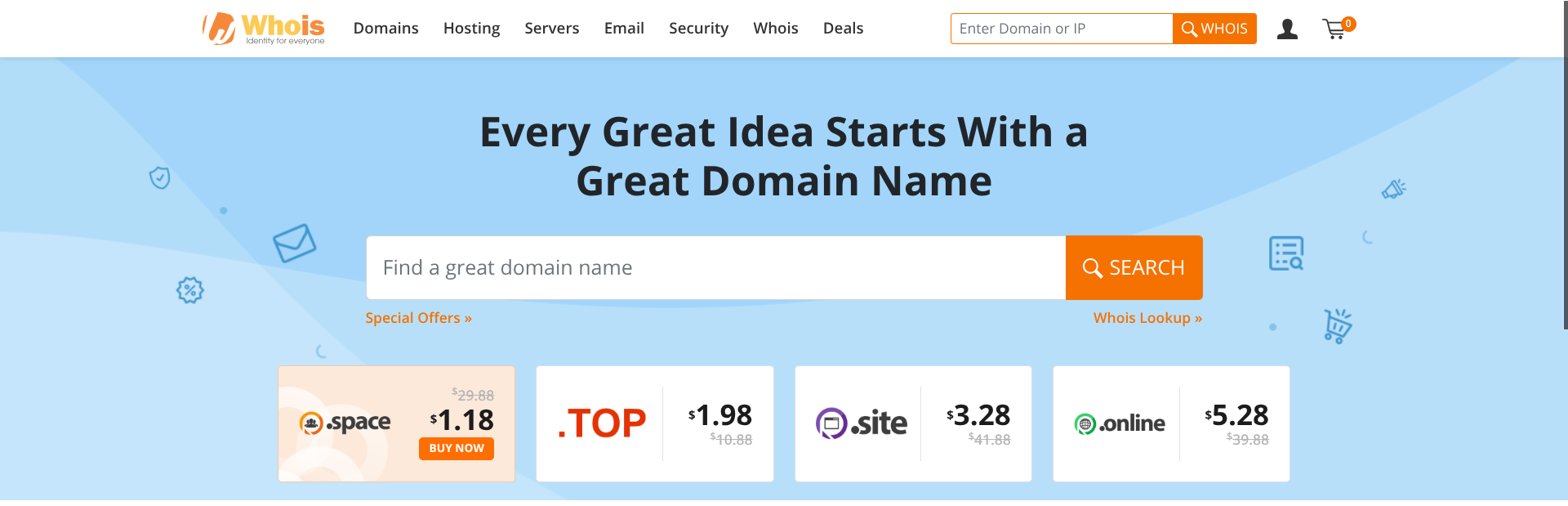
After a while, you will get the owner’s details, so if you’d like, you can contact them for negotiation or monitor the domain’s expiration.
How to Secure Your Brand Domain?
After registering your domain name, it’s really important to secure it so that someone else cannot steal it. Here are several steps you can take for domain security and management:
1. Monitor Your Domain
Domain expiration and unauthorised changes are the main reasons why your domain may be taken away. You can use domain monitoring tools to stay aware of your domain’s status and any potential risks.
2. Set Up Auto-Renewal
Enable auto-renewal with your domain registrar so that your domain never expires. This prevents any accidental expiration and secures your ownership. Moreover, the payment processing stays secure with complete measures.
3. Take Security Measures
It’s best to take strong measures wherever possible. Set a strong password for your registrar account and update it regularly. Enable two-factor authentication and lock your domain for advanced protection.
| Read More: Essential Domain Security Tips for Website Owners |
Things To Do If Your Desired Brand Name Is Taken
If your chosen brand name is taken, you can take the following steps:
1. Find Alternative Domains
Tools such as LeanDomainSearch can help you find alternative options that match your original idea. For example, the domain name “careerscore.com” was unavailable. So, the tool suggested over 10,000 alternatives.
| Read More: Top Risks While Choosing a Domain Name & How to Avoid Them |
2. Use Domain Name Auctions
Domain name auctions are marketplaces where you can purchase a registered domain name through a bidding process.
3. Explore Different Extensions
Domain extensions, also known as Top-Level Domains (TLDs), are the suffixes at the end of a domain in a web address. The most common domain extension used is “.com”. However, there are others as well, including “.org” or “.net”.
Each domain extension has particular uses. For instance, country-specific extensions like “.in” are used for organisations based in India. Here’s a list of different extensions:
| Extension | Typical Use |
| .com | Commercial business |
| .org | Non-profit organisations |
| .net | Networking and technology companies |
| .edu | Educational institutions |
You can choose a domain extension based on your brand’s purpose.
| Read More: Top Level Domain Name Extensions: Types & Best Uses |
4. Check the Domain’s Expiration
Sometimes, domain owners forget to renew them or decide to let the domain go. In such a case, you might get your desired domain name. On platforms such as DropCatch and NameJet, you can bid on such domains.
Conclusion
Your brand name is the foundation of your online identity, and securing the right domain is key to protecting it. By checking availability early, exploring alternatives, and taking the right security measures, you ensure your business stays visible, credible, and future-ready.
Choose a trusted domain registrar like BigRock to simplify the process and safeguard your brand’s digital presence from day one. Get your brand name registered today!