| Choosing the right domain name is vital for SEO, branding, and long-term growth. This blog outlines common mistakes like ignoring keyword relevance, TLDs, domain history, and security settings, which can harm traffic and trust. By avoiding these pitfalls and planning for scalability, businesses can ensure a strong, secure, and future-ready online presence. |
Ever wondered why finding the ideal website name is important? It goes beyond just digital branding.
A domain name contributes to your long-term business goals and SEO techniques. Hence, even common domain buying mistakes can significantly hamper your revenue generation and potential traffic.
This blog walks you through the common domain buying mistakes and presents well-researched tips for a smooth online growth. Let’s get started!
Top Domain Buying Mistakes Expained
Let’s take a look at the top mistakes to avoid while buying a domain name for your website.
1. Not paying Heed to SEO Implications
Your domain name impacts your website’s search engine visibility. Hence, selecting a name that lacks relevant keywords or is overtly generic can impede your SEO initiatives.
Always opt for niche-relevant keywords in your website name for higher visibility.
| Pro Tip: Conduct keyword research to ensure a concise and user-friendly domain name. |
2. Neglecting Domain Extension (TLD) Relevance
The Top-Level Domain (TLD) affects both user perception and technical SEO.
Though extensions like `.com` are well-known globally, alternative TLDs like `.net`, `.org` can also be advantageous to reach a broader audience. This is because TLDs influence website trustworthiness and boost click-through rates.
| Read More: Understanding Domain Name Pricing: What Influences the Cost? |
3. Overlooking Domain Length
Long, complicated domain names are difficult to remember and cause technical problems like broken links or traffic loss.
Additionally, too long names can also make it difficult to encode URLs and can cause issues with embedded links or email addresses.
You need to avoid using the following in your domain name:
- Hyphens
- Underscores
- Numerals
They make DNS configuration and user recall more difficult. Instead, keep it short—ideally around 15 characters.
4. Failing to Check Domain History
A domain’s history can impact your site’s SEO and technical reputation. This is because search engines can block domains with poor trust scores that have historically been linked to:
- Spam
- Malware
- Black-hat seo techniques
| Pro Tip: Purchase domains with a clean history, or consider a fresh registration if the history is problematic. Plus, with a WHOIS lookup tool, you can seamlessly conduct a domain ownership verification to ensure legitimacy and compliance. |
5. Low on DNS Configuration and Technical Compatibility
You must set up DNS correctly after buying a domain to ensure smooth website access. Failing to do so can lead to technical issues like:
- SSL certificate issues
- Email delivery errors
- Website outages
To ensure a smooth deployment, confirm that your domain registrar supports advanced DNS management and plan your DNS records accordingly.
6. Ignoring Domain Privacy and Security Features
Without domain privacy protection (WHOIS privacy), your company’s or personal contact information is publicly available, increasing the possibility of phishing, spam, etc. This can lead to targeted attacks on your domain or hosting infrastructure.
| Pro Tip: Always turn on the domain privacy features that your registrar offers. To avoid DNS spoofing and cache poisoning, you should also use DNSSEC (Domain Name System Security Extensions). |
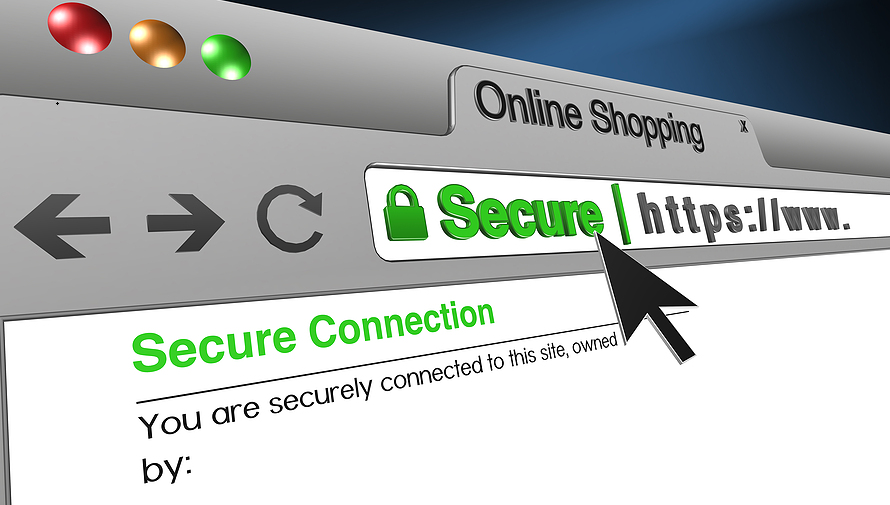
7. Failing to Secure the Domain with HTTPS (SSL/TLS)
You may wonder what buying a domain has to do with HTTPS?
Here is the catch! If you pick a domain name that makes SSL implementation more difficult (such as using non-standard characters), your security setup will be less effective.
Hence, ensure your domain supports SSL issuance before deciding on it. While most contemporary domains do, some older or internationalised domain names could need extra setup.
8. Overlooking Domain Renewal
Skipping domain renewal deadlines is a typical error that puts your website at risk of abruptly going down. Furthermore, expired domains can also be maliciously used or hijacked.
| Read More: Avoiding Expiry: Best Practices for Domain Name Renewal |
9. Impact of Internationalised Domain Names (IDNs)
In case your target audience speaks non-Latin languages, you must opt for an IDN. However, technical complications can arise, such as
- Compatibility issues with older browsers
- DNS servers that may not fully support IDNs
| Pro Tip: Use IDNs only if your target audience and technical infrastructure demand them, and make sure they are fully compatible. |
10. Disregarding Future Scalability
A domain name might seem suitable now, but it could pose limitations as your website evolves.
Hence, choosing a domain that restricts your brand expansion or technical infrastructure can be detrimental. For instance, geographically tied domains like `.uk` are expanding globally.
| Pro Tip: Pick a TLD and domain name that will fit your next expansion. Likewise, make sure your DNS design accommodates multi-region hosting and SSL deployment. |
Summing Up
A well-researched domain name should be the first step for businesses looking to create an effective online presence.
Once registered, a domain name has the power to make or break your SEO goals. Hence, follow our above-mentioned tips to choose your website name wisely.
Looking for unique domain names that align with your brand identity? Register your domain with BigRock today!
From real-time monitoring to effortless domain search, our domain registration services are an extensive collection of domain extensions.
Enjoy a domain transfer with a free 1-year extension at BigRock!