| Displaying digital trust signals on your website is crucial for building credibility and boosting conversions. These signals fall into three main categories: technical cues, such as HTTPS and payment logos; social proof like reviews and case studies; and clear, transparent policies. A strategic, layered approach to implementing these signals at key decision points helps to alleviate user hesitation and build confidence in your business. |
Digital trust signals are the visible technical, social, and policy cues that tell visitors your site is safe, legitimate, and worth their time. When these cues appear at key decision points, they strip away hesitation, shorten buying cycles, and lift conversions. A layered mix—secure technology, authentic social proof, and clear policies—works better than any single badge, because each layer addresses a different risk concern.
The following list dives into the most actionable signals you can implement today to build website credibility and keep revenue-blocking doubts off the table.
1) Security & Technical Trust Signals
Even the best copy fails if visitors fear their data will leak. Technical signals reassure users that every keystroke is encrypted and every transaction complies with industry standards.
HTTPS, SSL certificates, and visible secure indicators — what to show
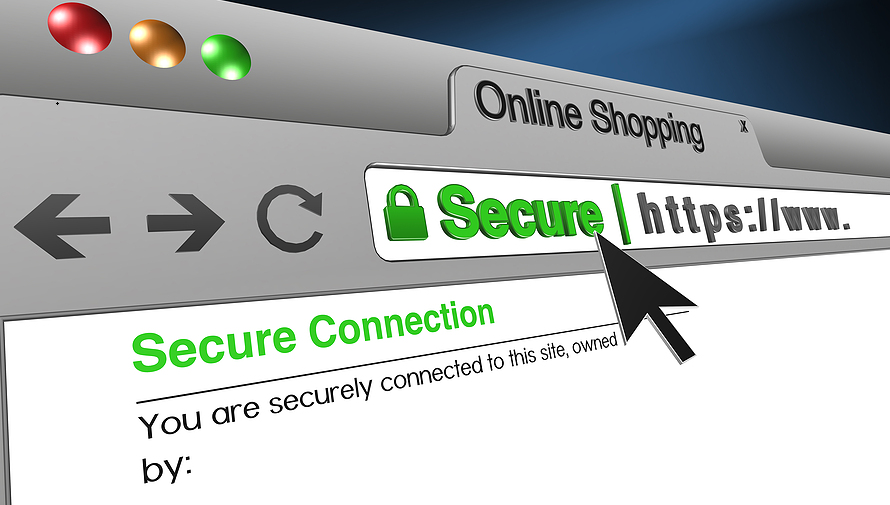
The padlock icon and “https://” prefix instantly tell users their connection is encrypted; Baymard research shows shoppers look for these cues before entering payment details. Surface the padlock near forms, especially on checkout and login pages, and ensure it appears on both mobile and desktop.
Payment logos, PCI compliance, and merchant badges — placement & verification
Display familiar payment icons (Visa, Mastercard, PayPal) and PCI-compliance seals next to card fields and purchase buttons. Link each badge to the processor’s verification page so users can confirm authenticity, a best practice highlighted by Shopify.
2) Website Trust Badges — Which Badges To Use and How To Add Them To the Website
Trust badges come in many forms, and each serves to address a different confidence gap.
Types of website trust badges and where they help most
Security seals, payment icons, money-back guarantees, and third-party review widgets are the workhorses. Place security seals and payment icons at checkout, review widgets on product pages, and money-back guarantees in pricing tables to maximise impact. Strategic use of website trust badges prevents clutter while delivering reassurance where it matters.
Practical steps to add trust badges to a website
- Obtain the official badge asset from the vendor.
- Embed as an SVG for crisp rendering and fast load times.
- Add a verification link that opens in a new tab.
- Lazy-load badges below the fold to protect performance.
3) Authentic Social Proof — Reviews, Testimonials and User-Generated Content
People trust people. Verified reviews, fresh testimonials, and real photos provide a powerful nudge that scripted marketing can’t match.
Highlight a short testimonial in the hero banner, embed review feeds on product pages, and place star ratings near “Add to Cart” buttons. Link each badge or quote to its source so visitors can validate it. WordStream stresses that authenticity and prompt responses to negative reviews shield long-term credibility. Never edit or cherry-pick reviews; honest balance fuels trust.
Microcopy tip: pair each testimonial with a specific outcome (“Increased leads by 40%”) and the reviewer’s name, role, and date for instant relevance.
4) Third-party Verification & Industry Accreditations
Credentials from impartial bodies speak louder than self-praise. Industry associations, ISO certifications, and award logos show you meet recognised standards.
Place accreditation badges on About or Credentials pages and duplicate the most prestigious ones in the footer for site-wide visibility. Oktopost notes B2B buyers rely heavily on such signals when shortlisting vendors. Always link badges to certificates or award pages and keep expiration dates visible to prevent doubts.
5) Clear Policies, Guarantees, and Transparent Disclosures
Fine print is a trust asset when written in plain language. A visible privacy policy, straightforward return terms, and shipping details shrink purchase anxiety.
Add concise policy summaries beside checkout buttons, with a “Learn more” link to the full page. Also, avoid legal jargon; instead, use short sentences that explain buyer rights and next steps.
6) Contact Details, Physical Presence, and Real-time Support Signals
A real business has a real address and humans behind the screens.
Show a clickable phone number, physical address, operating hours, and a live-chat icon in the footer and on support pages. TrustSignals reports that listing a physical address, even for digital brands, meaningfully boosts credibility . Publish recent response times or customer service ratings to reinforce reliability.
Avoid PO-box-only addresses or unmonitored chatbots; those shortcuts erode confidence faster than they save costs.
7) Performance, Professional Design & UX Cues that Build Website Credibility
First impressions are formed in milliseconds. Slow pages or dated layouts whisper “unreliable” before content even loads.
Aim for sub-three-second load times, responsive layouts, and clear visual hierarchy. Compress assets, lazy-load non-critical elements, and stick to accessible typography. TrustSignals warns that slow pages can negate other trust efforts, leading users to abandon altogether. A polished, consistent design signals competence and future-proofs your brand.
8) Case Studies, Client Logos, and Measurable Outcomes
Trust by association turns other companies’ success into your asset.
Feature recognisable client logos near pricing tables and on sector-specific landing pages. Pair them with bite-sized case studies: problem, solution, measurable result. Invensis highlights that outcome-focused narratives resonate more than generic praise. Secure client permission and, where possible, link logos to a dedicated testimonial or press release for verification.
Prioritisation & Implementation Roadmap
A clear plan keeps trust work manageable.
- Audit decision pages
Map landing, product, pricing, checkout, and contact pages to identify where visitors decide or hesitate. - Quick wins (Week 1-2)
- Enforce HTTPS across all pages.
- Add visible payment badges beside checkout CTAs.
- Insert one verified review near each primary conversion button.
- Mid-term upgrades (Month 1-2)
- Embed dynamic review widgets.
- Publish two short case studies with measurable results.
- Add accreditation badges with live verification links.
- Long-term build-out (Quarter 2-4)
- Create a “Digital Trust Dashboard” consolidating certifications, policies, and audit logs.
- Roll out real-time social-proof notifications (e.g., recent purchases or reviews).
Shopify’s research confirms that placing the right signal at the right moment delivers the highest impact. Assign owners—marketing for copy, development for technical badges, legal for policy pages—and review progress monthly.
| Also Read: What is SSL Certificate and What are its Benefits |
Maintenance, Audits & Governance
Trust signals decay if ignored. Schedule quarterly checks to:
- Confirm SSL certificates, badge links, and accreditation expiry dates.
- Test badge visibility and layout on mobile devices.
- Update policy summaries for new regulations or product changes.
Next Steps To Build Website Credibility
Digital trust signals work best as a coherent system: secure foundations, visible website trust badges, authentic social proof, and transparent policies. Prioritise the two or three signals that eliminate your site’s biggest credibility gaps, then expand methodically. To get started and add trust badges to website pages with confidence, secure your domain and TLS certificate—Secure your domain with BigRock today.