| Shopify is a cloud‑based commerce platform that lets you create, host, and manage an online shop without running your own server. It delivers core services – product catalogue, payments, checkout, inventory, and analytics – through a multi‑tenant architecture while exposing APIs and theme files so you can customise design and functionality. Because the stack is centrally maintained, updates, security patches, and PCI compliance are handled by Shopify, leaving merchants free to focus on selling. |
A generic myshopify.com address works, yet it seldom inspires confidence. Switching to a custom domain for Shopify signals that you own your brand, care about security, and intend to stay. Below are the practical advantages of having a custom domain for Shopify:
- Sharper brand identity: A unique URL, such as yourbrand.co.uk, looks deliberate and professional, helping customers remember you.
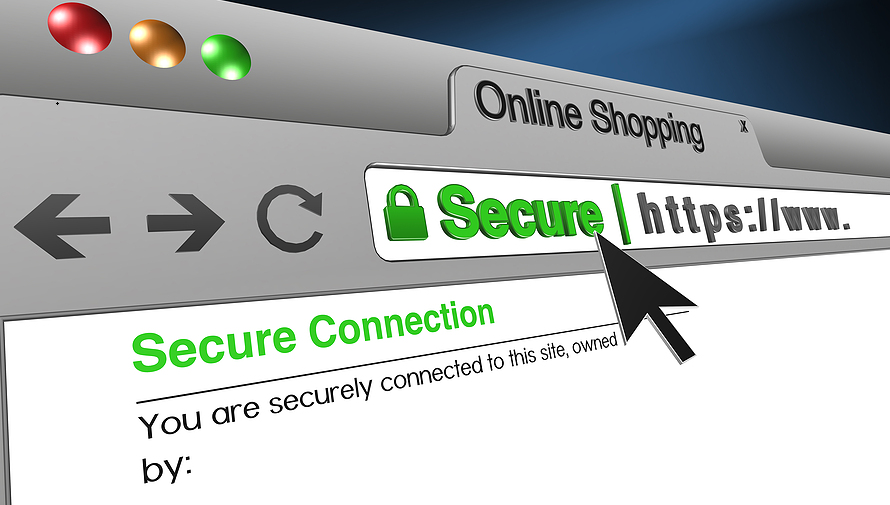
- Credibility boost: Over 75% of shoppers say a branded domain makes them trust a store more.
- Improved SEO: Search engines treat root domains better than sub‑domains, so a custom domain for Shopify can climb results pages faster.
- Branded email addresses: Addresses like [email protected] reassure buyers and tidy your inbox routing.
- Marketing flexibility: Run ads, social campaigns, or region‑specific sub‑domains (e.g., uk.yourbrand.com) without juggling redirects.
Choosing the right custom domain for Shopify
The name you pick today should still serve you when the catalogue grows. Keep these checks in mind before you click “Buy”.
- Keep it short and legible: Under 15 characters, no hyphens, no quirky spellings.
- Stay relevant yet roomy: Hint at what you sell but avoid boxing yourself into one product line.
- Prefer trusted extensions: .com, .store, or a local ccTLD (.in, .uk) feel safer to users.
- Check trade marks and socials: Consistency across domain and handles makes discovery easier.
- Think voice and values: If your brand is eco‑centred, incorporate “green” or “earth” into the phrase.
- Future‑proof for SEO: stuffing exact‑match keywords can help today but hinder a pivot tomorrow, so balance wisely.
Buying a custom domain for Shopify
There are two main routes: purchase directly inside Shopify or use any reputable registrar. Buying on‑platform is faster – search, pay, and the system wires DNS automatically. Choosing an external registrar often saves money, lets you bundle privacy protection, and grants fine‑grained DNS control. Either way, you retain ownership; Shopify merely hosts the storefront.
| Also Read: Different Types of DNS Records: Their Functions and Purpose |
Step‑by‑step: connecting a third‑party custom domain for Shopify
Even if you prefer a third‑party registrar, integration is straightforward.
- Locate DNS settings for your chosen domain.
- Set the A record to Shopify’s IPv4 address 23.227.38.65.
- Add an AAAA record pointing to 2620:0127:f00f:5:: for IPv6 support.
- Create a CNAME where www targets shops.myshopify.com. (include the trailing dot).
- Remove conflicting records to avoid propagation loops.
- Save and wait up to forty‑eight hours while global name servers refresh.
- Verify inside Shopify → Settings → Domains → Connect existing domain.
Once validation ticks green, set the new address as primary so every visitor lands on the branded URL.
Managing and protecting your custom domain for Shopify
Shopify stores allow twenty domains on standard plans and up to one thousand on Shopify Plus. Extra domains are useful for common misspellings or regional sub‑brands – each can redirect to the primary to capture stray traffic. To manage your domain:
- Enable auto‑renewal
- Lock the domain
- Set up WHOIS privacy
- Add sub‑domains wisely
- Backup email MX records
- Monitor SSL
Additionally, to maintain your domain:
- Monitor expiry dates well in advance and schedule calendar reminders.
- Audit SSL status after changing any DNS entry; certificates are usually issued automatically, yet broken CAA records can stall provisioning.
- Create descriptive sub‑domains for campaigns—sale.yourbrand.com—instead of cluttered query strings.
- Back up your DNS zone file before large edits; a simple restore saves frantic midnight troubleshooting.
Quick fixes for common hiccups
Even seasoned store owners meet the occasional red banner. Here are the frequent errors and how to clear them.
- “SSL pending”: Wait a few hours; Shopify is provisioning the cert.
- “CAA record invalid”: Edit or delete third‑party CAA entries so Let’s Encrypt can authorise.
- Domain shows “can’t be reached”: Verify A record points to Shopify, and that propagation has finished.
- Stuck at “needs attention”: Open Domains in admin, click the alert, and Shopify lists the exact DNS line that’s off.
- Email forwarding fails: Re‑enter the MX records supplied by your mail provider (BigRock, Zoho, Google Workspace).
- Transfer stalled at 60‑day rule: ICANN forbids moving new domains for 60 days; mark your calendar.
| Also Read: What is SSL Certificate and What are its Benefits |
Optimising a custom domain for Shopify after launch
A domain should work for you every day. To optimise it after launch:
- Create a branded email: [email protected] feels more authentic than Gmail.
- Track direct traffic in analytics: Watch type‑in visits grow as awareness rises.
- Use 301 redirects: If you rebrand, permanently forward the old custom domain for Shopify to preserve SEO equity.
- Secure close spellings: Register common typos and forward them, blocking squatters.
- Leverage sub‑domains for regions: Serve geo‑specific language or currency while keeping one checkout.
Conclusion
A memorable custom domain for Shopify turns clicks into confidence, lifts search rankings, and anchors every future campaign you run. Buying through BigRock pairs those advantages with low pricing, quick DNS, and responsive support – plus you manage domains, hosting, and security from one dashboard.
Ready to amplify your brand? Register your custom domain at BigRock today, point it to Shopify in a few clicks, and watch your credibility grow. Need a faster store to match? Explore BigRock’s SSD Hosting plans and keep shoppers browsing without delays.