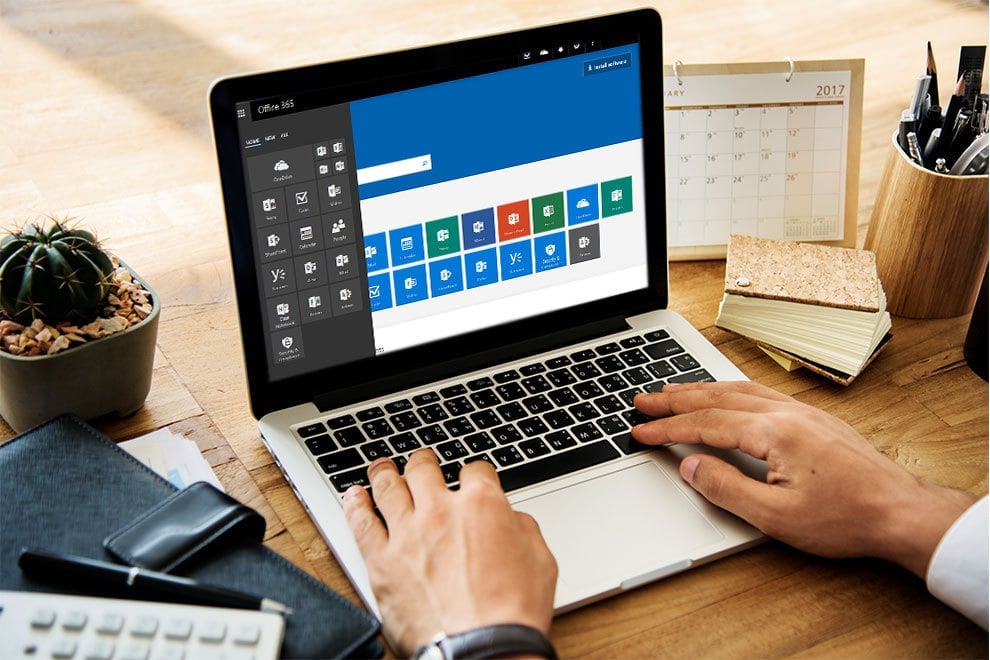
| An online store builder is a hosted ecommerce platform that provides pre-built templates, managed hosting, integrated payment gateways, and backend tools to create and run an online store without custom development. |
A would-be customer finally reaches your checkout, clicks “Pay,” and watches a spinning wheel… then leaves. Revenue gone, trust dented, marketing budget wasted. Losing sales to clunky tech is painful, yet few teams have months (or budgets) to build a custom shop from scratch.
An online store builder swaps that stress for hosted infrastructure, proven templates, and integrated payments so you can start selling today rather than “when the dev sprint finishes”.
Below is a pragmatic roadmap to get a reliable e-commerce site live fast, without boxing yourself in for future growth.
Why Use an Online Store Builder?
Speed matters. A builder’s drag-and-drop editor, ready-made themes, and managed hosting can have you transacting in hours instead of weeks.
Up-front costs stay low because security, maintenance, and performance are bundled into the subscription.
- SMEs avoid hiring full-time developers, freeing cash for stock and marketing.
- Agencies prototype client stores quickly and iterate on feedback in real time.
- Developers tap APIs or app stores when they need deeper customisation.
The trade-off? Absolute design freedom and niche workflows may require workarounds or a move to a headless setup later, something we cover in “Speed vs Customisation” below.
How to Create Your E-commerce Website Quickly: Step-by-Step
Think of the following as a launch checklist: focus on what affects conversion first, polish later.
Define Your Business Model And Requirements
Clarify exactly what you’re selling and how you’ll fulfill it before choosing tech.
- Product type: physical, digital, subscription, or dropship.
- Sales channels: your own site, marketplaces, social commerce, or all three.
- Operations: multi-currency, POS support, tax automation, ERP, or fulfillment integrations.
Choose The Right Online Store Builder
Balance speed against future flexibility.
- Hosted SaaS builders excel when you lack dev resources and need to launch yesterday.
- Extensible or headless platforms shine when you demand bespoke flows or advanced integrations.
Evaluate: transparent pricing, performance SLAs, payment gateways, marketplace integrations, app ecosystem size, and data-export options. Always spin up free trials or sandboxes and read API docs for rate limits before committing. Shortlist two or three platforms, then stress-test them against your spec.
Design Product Pages And Navigation For Conversion
Your product page does the selling. Get these fundamentals right:
- High-resolution images, zoom and video where relevant.
- Benefit-led titles with concise specs.
- Visible pricing, variant selectors and stock cues.
Use a sensible category tree, filters, and on-site search so shoppers find items fast. Choose mobile-first themes and optimise hero images to keep load times snappy as most online store builders label their fastest templates clearly. Finally, test your checkout: single-page flows with guest options and clear progress bars tend to convert best.
Add Products And Content Efficiently
Launch with a curated collection instead of the entire catalogue; it speeds QA and validates workflows.
- Write benefit-first copy, break specs into bullets, and clarify variant rules.
- Keep image aspect ratios consistent; compress files and add descriptive alt text.
- Use CSV or bulk import tools; run a small sample first to catch mapping errors.
- Publish support pages (shipping, returns, FAQs) early to reduce pre-purchase anxiety.
Configure Payments, Shipping, and Tax
Select built-in payment gateways first as they save time and usually lower failure rates. Run sandbox orders to verify authorisation and refund paths.
Set shipping zones, fallback rates, and carrier integrations, then enable tax automation if available. Always double-check tax settings with a local professional to avoid compliance headaches.
Test, Launch, and Validate
Run an end-to-end walkthrough: browse, add to cart, apply a discount, check out as a guest, receive a confirmation email, and simulate fulfillment. Test on multiple devices and connections; slow 3G users still matter. Review payment settlements and refund processing times.
Consider a soft launch and limit traffic to a niche audience or single region, gather real-world feedback, iterate, then open the floodgates. Keep theme or content rollbacks handy in case something breaks mid-promotion.
Post-Launch Optimization and Analytics
Track core metrics first: conversion rate, cart abandonment, top SKUs, and checkout drop-off. Hook up external analytics or CRMs where needed and A/B-test page elements. Draft a 30/60/90-day roadmap covering content scale-up, SEO, promotions, and paid channels. Most builders have app marketplaces for deeper analytics or search plugins and install only what solves a defined problem.
AI And Growth: Use It Strategically
AI now drafts product descriptions, refines images, and even suggests templates. It’s a boon for large catalogs and multilingual stores, but always review outputs for tone, accuracy, and regulation compliance. Smart uses include quick localisation or headline A/B ideas; poor uses include blindly publishing unedited copy.
Run A Short Live Walkthrough Before Full Catalogue Publish
Invite a handful of real users to navigate your newly published mini-catalogue, purchase an item, and request a refund. Watching them in action surfaces hidden friction analytics that analytics often miss, protecting early revenue and brand perception.
Launch Your Site Confidently With An Online Store Builder
Choosing the right online store builder lets you match rapid time-to-market with solid foundations for growth. Define your business model, pick a platform that meets core requirements, polish product pages and checkout, automate operations early, and harness AI responsibly for scale.
Ready to turn that plan into revenue? Secure your domain and hosting with BigRock, then start a free trial on your chosen builder or book a setup audit to validate launch readiness; your first conversion could be just days away.