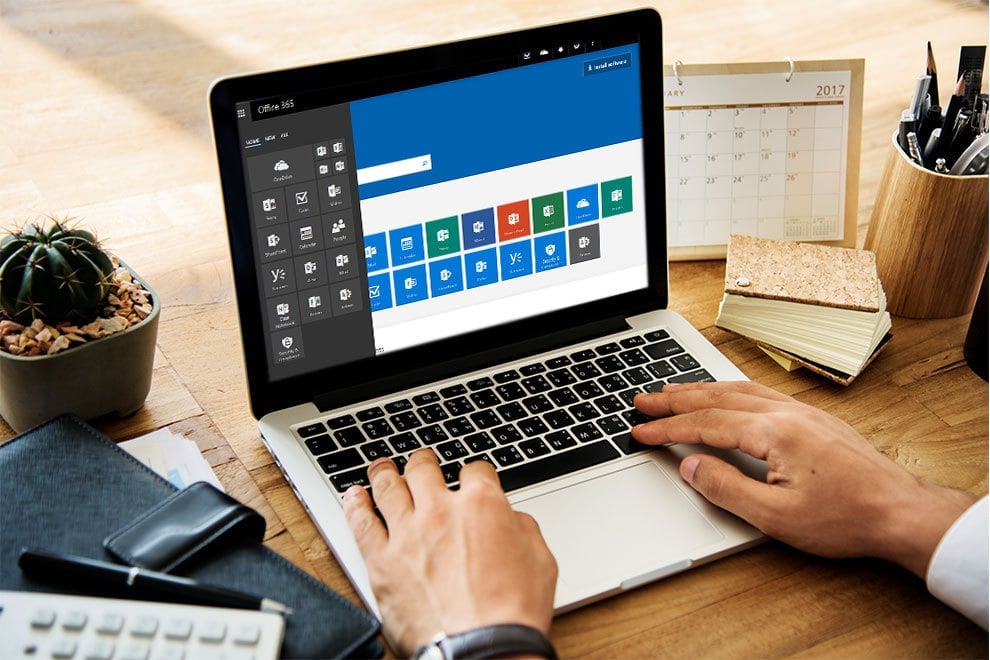
| Website builder templates are pre-designed, responsive page frameworks within site-building platforms that provide structured layouts, reusable components, and built-in styling for rapid website creation without manual coding. |
The brief is brutal: the product demo is next week, and the business card you’re handing out still points to a half-finished holding page. Hiring a designer is out of budget, learning code is out of the question, and every extra day without a site feels like lost revenue. Website builder templates turn that panic into a plan.
Pre-designed, mobile-ready layouts mean you swap hours of wire-framing for minutes of drag-and-drop, focus on your copy, and publish something that looks credible from day one.
This post shows decision-makers how to choose the right template style, customise it so customers recognise the brand, and launch with confidence, without blowing the deadline.
What Decision-Makers Are Looking For When Choosing Templates
Speed, polish and growth potential drive every template decision for busy teams:
- Speed: builders with drag-and-drop editors let non-technical teams publish in hours.
- Professional polish: modern, trust-building layouts minimise DIY design errors.
- Flexibility: templates should scale, add pages or switch layouts without rebuilding.
- Conversion-ready: clear calls-to-action, lead capture forms and, where needed, e-commerce checkouts baked in.
- Ownership & portability: export options matter if you’ll graduate to a custom build later.
- Support & documentation: look for active communities, regular security updates and transparent platform roadmaps.
Quick List: 5 Website Builder Templates That Deliver Fast, Professional Designs
Below are five template types chosen for their launch speed, visual polish, built-in conversion paths and easy brand customisation.
1. One-Page Landing Page Template
Perfect for single offers, events or product launches. Expect a bold hero with one primary CTA, scannable benefit blocks, testimonial sliders and a lightweight form section. Choose this when campaigns are short and ad-driven, minimal navigation keeps attention focused on the action you want.
Quick customisation: Swap the hero image for a brand-coloured background and tighten the headline to one clear value promise. (Form setup docs: link to Wix/Weebly form integration guide).
2. Small Business/Homepage Template
Ideal for local shops, consultants or trades. Look for clear service blocks, opening-hour panels, multiple contact methods, an embedded map and space for reviews.
Quick wins: Replace generic service icons with recognisable industry symbols and put a “Call Now” button in the first viewport to capture local-intent searchers.
3. E-Commerce/Product Catalogue Template
Made for online shops, rental services and course creators. Must-haves include a product grid, streamlined checkout, shipping/tax calculators, and optional filtering by size, colour or category.
Check the depth of payment gateways and inventory controls before committing (see Shopify/BigCommerce checkout guide placeholder). If you accept bookings, make sure calendar or slot selection widgets are available.
4. Portfolio or Case Study Template
Designed for agencies, freelancers and professional services that sell expertise. Expect project galleries, client logos, dedicated case-study pages and a visual breakdown of your process.
Tip: add measurable results (e.g., “35% traffic uplift”) next to each project image to boost credibility. (Internal piece: How to Write a Case Study).
5. Service/Agency Template with Lead Capture
Built for B2B consultancies, marketing agencies and SaaS hubs. Common features: multiple CTA ribbons, downloadable resources, newsletter pop-ups and calendar-based meeting booking.
Customise the form fields to mirror your sales qualification questions, less back-and-forth, faster closes. (Lead capture best practice: link to HubSpot resource).
Customisation and Brand Consistency: Make a Template Look Uniquely Yours
Templates do 80 percent of the layout work; your brand tweaks supply the final 20 percent that makes the site memorable. Keep structure, change visuals:
- Replace the hero image, update fonts to your brand pair and apply your colour palette to buttons and accents.
- Rewrite headlines and CTA microcopy so every line reflects your value proposition; small words lift conversions.
- Simplify navigation to only the journeys users need; extra pages slow decision-making.
- Use imagery and iconography with consistent style and quality; avoid mixing stock and illustrated assets.
- Retain reusable blocks like testimonials or service grids to maintain design cohesion across future pages.
- When integrations or unique design flourishes beckon, bring in a developer for minimalist custom CSS rather than tearing out template foundations.
| Pro Tip: Save one global style or reusable section before edits; cloning it for new pages keeps spacing, fonts and colours consistent and means every future update happens in one central place. |
SEO, Accessibility and Mobile: Make Templates Work for Search and Real People
A beautiful template is pointless if no one can find or use the site. Prioritise:
- On-page SEO: edit title tags, meta descriptions, headings and image alt text; place your primary keyword naturally. Wix confirms all templates allow full metadata control.
- Mobile-first checks: responsive layouts are standard, but test hero images, menus and forms across devices using Google’s mobile-friendly test.
- Performance: compress images, enable lazy loading and minimise third-party scripts; bloated assets sap Core Web Vitals.
- Accessibility: ensure meaningful link text, keyboard navigation and sufficient colour contrast to serve all users.
- Builder limitations: some free plans lock URL structures or add branded banners; check docs before you invest hours of customisation.
Testing, Launch and Performance Checklist
Final checks save embarrassment (or revenue) down the line:
- Content accuracy: verify spelling, prices and service details.
- Links & forms: click every link, submit every form, confirm email alerts and analytics events.
- Payment flow: run sandbox transactions, and review tax and shipping settings.
- Cross-device QA: open key pages on iOS, Android, Chrome and Firefox.
- Analytics: install analytics, set up goals and ensure CTA clicks trigger events.
- Backups & versioning: keep a published copy and enable platform backups.
- Launch plan: soft-launch during low-traffic hours, monitor error logs and user behaviour for the first 72 hours.
Common Mistakes Businesses Make With Templates
Avoid these common traps that undo the time you just saved:
- Over-customising until responsiveness breaks. Stay within the template’s design system and adjust only the variables it exposes.
- Leaving stock placeholders. Swap imagery and lorem ipsum before you hit publish.
- Ignoring conversion paths. Map the user journey and place CTAs where decisions happen.
- Neglecting accessibility or mobile users. Test colour contrast and tap targets early.
- Not planning for scale. Document custom code, keep a changelog and choose builders with easy export for future migrations.
Document wins, run A/B tests and earmark case studies to showcase performance gains later.
| Also Read: Selecting the Right Theme for Your Website |
Website Builder Templates: Decide Fast, Launch Sooner
Choosing the right template aligns launch speed with professional polish: match the layout to your primary goal, swap in brand visuals and copy, then run the checklist before going live.
Ready to press publish? Choose a template and put your site online in hours, schedule a future migration chat if growth demands custom features, and, when you’re set to secure a domain and reliable hosting, explore BigRock’s options to keep the momentum rolling.